
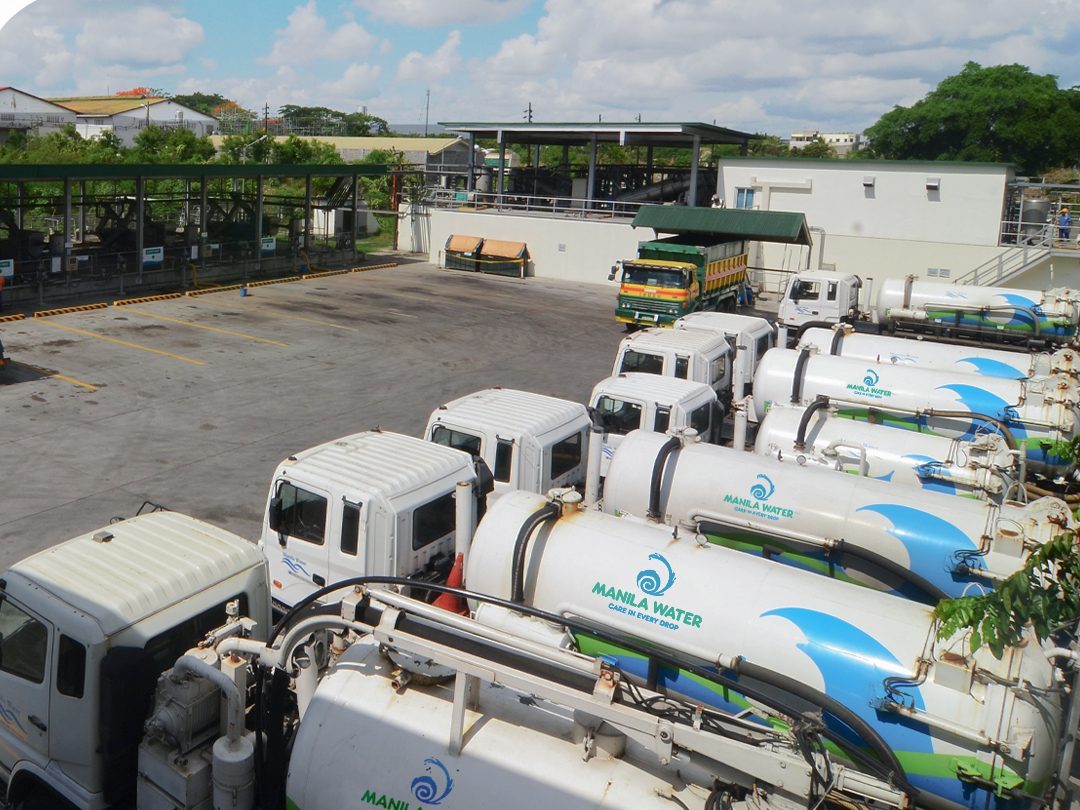






As part of its October desludging program, Manila Water is encouraging households to maintain their septic tanks regularly to help prevent water pollution, protect public health, and keep local waterways clean for future generations.
Keeping rivers, creeks, and coastal waters clean begins with actions that often go unnoticed at home. One of these is regular septic tank maintenance, a simple but important step that can help prevent wastewater pollution and protect the communities that depend on clean surroundings.
This October, Manila Water is encouraging customers to participate in its scheduled desludging program, which removes accumulated sludge from septic tanks before it can contribute to environmental pollution. Through preventive maintenance, households can help ensure that wastewater is properly collected and treated instead of potentially entering drainage systems and nearby waterways.
As communities grow and urban areas expand, responsible wastewater management becomes increasingly important. Septic tanks that are not maintained regularly can contribute to sanitation problems and environmental risks. Periodic desludging helps keep septic systems functioning properly while supporting cleaner, healthier neighborhoods.
Bringing Preventive Desludging Closer to Communities
Throughout October, Manila Water desludging teams will serve selected barangays across Rizal and Metro Manila, giving eligible households an opportunity to have their septic tanks maintained as part of the company’s regular service program.
The scheduled areas include:
- Antipolo City: Bagong Nayon, Sta. Cruz, and San Luis
- Rizal: Baras, Jala-Jala, Geronimo, San Rafael, Pag-asa, and selected communities in San Mateo
- Cainta: San Andres and San Isidro A
- Taytay: Santa Ana
- San Mateo: Dulong Bayan 1 and 2, Santa Ana, Guitnang Bayan I (Poblacion), and Gulod Malaya
- Pasig City: Pinagbuhatan
- Quezon City: Select accounts in Holy Spirit
- San Juan City: Salapan, Pasadena, and Pedro Cruz
Manila Water invites customers in these areas to avail of its scheduled desludging service at no additional cost.
The company encourages households to have their septic tanks desludged every five to seven years, helping prevent excessive sludge accumulation and supporting proper sanitation practices.
From Coastal Cleanups to Pollution Prevention
Manila Water’s preventive desludging initiative complements its broader environmental efforts, including its participation in the International Coastal Cleanup organized by the Department of Environment and Natural Resources in September.
During the activity, company employees joined volunteers in cleaning Manila Bay and nearby waterways. While coastal cleanups help remove waste that has already reached the environment, preventive desludging addresses another part of the challenge by helping reduce wastewater pollution at its source.
“Protecting our waterways requires action on multiple fronts. While coastal cleanups help remove waste already present in the environment, preventive desludging helps stop wastewater pollution at its source. By maintaining septic tanks regularly, customers become active partners in keeping rivers, creeks, and coastal areas cleaner and healthier for future generations,” said Manila Water Corporate Communications Group Head Dittie Galang.
The message underscores how environmental protection involves both community-wide initiatives and everyday household responsibilities. From joining cleanup drives to ensuring that septic tanks are properly maintained, residents can contribute to efforts that safeguard shared water resources.
Small Household Actions, Lasting Community Benefits
Manila Water continues to work with local communities and barangays to raise awareness of its regular desludging program and encourage responsible septic tank maintenance.
For households, participating in preventive desludging helps maintain septic systems and supports proper wastewater management. For the wider community, these efforts can contribute to cleaner surroundings, reduced pollution risks, and healthier waterways.
Protecting the environment does not always begin with a large cleanup or a major initiative. Sometimes, it starts with taking care of what is beneath our homes—so that rivers, creeks, and coastal waters remain healthier for the communities and generations that depend on them