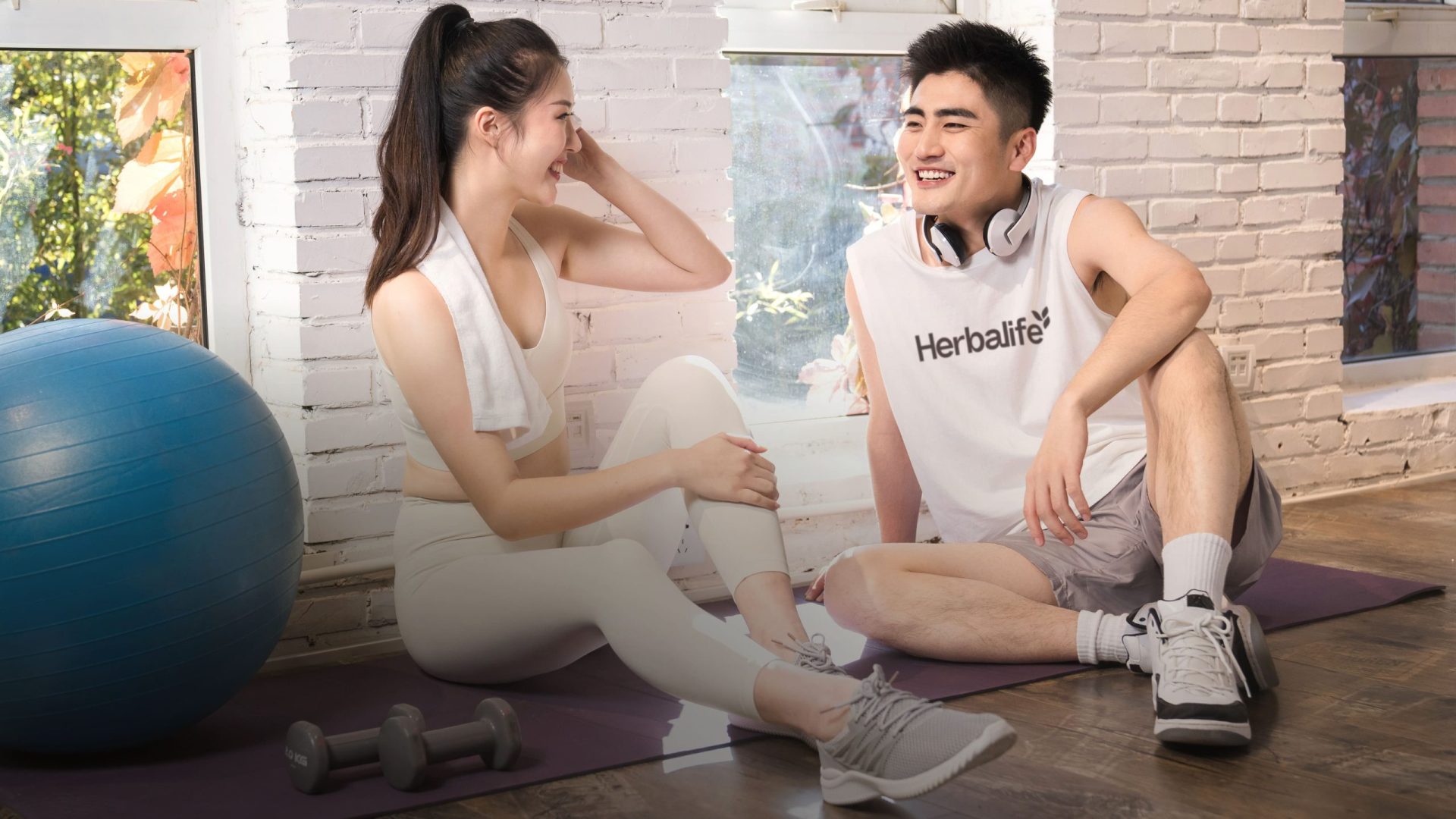





More young Filipinos are prioritizing physical, mental, emotional, and social wellbeing, with many reporting healthier habits and improved wellness compared with three years ago.
Wellness is no longer just about eating right or staying physically active. For many young Filipinos, it now means managing stress, getting better sleep, building meaningful connections, and finding a healthy balance between physical and mental wellbeing.
This shift is highlighted in Herbalife’s Asia Pacific Wellness Culture Survey 2026, which found that Gen Z and Millennial consumers in the Philippines are becoming more intentional about their overall health. More than half of respondents in these younger generations reported improvements in their personal wellbeing compared with three years ago.
The survey also found that 79% of Filipino Gen Z respondents and 76% of Millennials participate in wellness activities more frequently than they did three years ago, exceeding the national average of 74%.
The findings suggest that younger generations are increasingly translating their health goals into everyday actions, from improving their routines to seeking out communities that encourage healthier lifestyles.
“Gen Zs and Millennials truly stand out in the way they approach wellness—with intention and commitment. This can be seen through the growing popularity of run clubs and pickleball communities in the country, where younger consumers actively seek opportunities to improve their health and connect with like-minded communities in recent years,” said Kinki Lau, general manager of Herbalife Philippines.
“Their commitment to wellness is not only driving positive outcomes in the near term but also laying the foundation for them to lead healthier and more meaningful lives in the longer term,” Lau added.
Gen Z Puts Mental Health and Better Sleep on the Wellness Agenda
For Filipino Gen Zs, improving wellbeing means looking beyond physical fitness. The survey found that mental wellbeing and stress management are the top areas they want to improve, cited by 53% of respondents. Sleep quality follows at 45%, while emotional wellbeing and nutrition were identified by 40% and 37%, respectively.
Young Filipinos are also taking practical steps toward these goals. According to the survey, 53% of Gen Z respondents have been improving their sleep habits, while 47% are making healthier food choices and reducing unhealthy habits.
These findings point to a generation that is increasingly conscious of how daily decisions can influence overall wellbeing. Rather than focusing only on short-term goals, many are working to develop habits that can support their health over time.
Mental health has also emerged as a significant area where Gen Z respondents want more support. Some 68% identified it as an area needing greater attention, followed by physical health at 62% and emotional health at 57%.
This differs from the priorities of older Filipino generations, including Gen X and Baby Boomers, who place greater emphasis on physical health.
The contrast highlights how wellness priorities can vary across generations. For younger Filipinos, managing stress, supporting emotional wellbeing, and maintaining mental health are increasingly central to what it means to live well.
From Online Inspiration to Everyday Healthy Habits
Social media and digital communities are also becoming part of the wellness journey for Gen Z Filipinos.
The survey found that more than half of Gen Z respondents said social media had positively influenced their physical wellbeing (63%), emotional wellbeing (58%), and mental wellbeing (55%) over the past 12 months.
Their support systems extend beyond digital platforms. Social circles influenced the wellbeing of 65% of Gen Z respondents, while 47% pointed to online communities as important sources of support in developing and maintaining healthier habits.
For Millennials, friends and family remain particularly influential, with 64% citing their impact on emotional wellbeing and 62% identifying their influence on mental health.
While both generations recognize the value of connection, the findings suggest differences in where they find encouragement. Gen Z respondents are more likely to draw motivation and support from online communities, while Millennials place stronger emphasis on their personal relationships.
These connections can help make wellness feel less like an individual responsibility and more like a shared experience. From joining a running group to participating in pickleball games or exchanging encouragement through online networks, community involvement can give people opportunities to stay engaged with their health goals.
“The future of wellness will not be built through individual effort alone. Younger generations increasingly look to both their physical and digital communities for motivation, guidance and accountability as they work towards their health goals,” Lau said.
“In the Philippines, we see this being reflected through the increasing number of pickleball courts and clubs, which bring people together around shared wellness aspirations and experiences. Whether through fitness groups, wellness communities or online networks, these connections are helping to turn healthy intentions into lasting habits and making wellbeing a more integrated part of everyday life,” she added.
Making Wellness Part of Everyday Life
The survey’s findings reflect a broader understanding of health among younger Filipinos—one that recognizes the relationship between physical activity, nutrition, sleep, mental health, and social connection.
For Gen Zs and Millennials, wellness increasingly involves finding sustainable ways to care for themselves while staying connected to people who share similar goals. This can mean making more mindful food choices, improving sleep routines, seeking support for stress management, or participating in activities that encourage movement and connection.
As these habits become part of everyday life, the focus shifts from pursuing isolated health goals to building a more balanced approach to wellbeing.
Herbalife’s Asia Pacific Wellness Culture Survey 2026 offers a snapshot of how younger Filipinos view and experience wellness today. Its findings underscore the importance of recognizing that health is multidimensional—and that supportive communities, both online and offline, can play a meaningful role in helping people maintain healthier routines.
For many young Filipinos, feeling well is no longer defined by one goal or one habit. It is about making everyday choices that support a healthier, more connected, and more balanced life.