





For parents like Virgilio Mallari and Ma. Elizabeth Domingo Villamor, NTC Homeschool: SmartClass offers a clearer view of their children’s understanding, helping turn everyday schoolwork into more meaningful learning.
A child finishes a module, submits an assignment, and checks off another school requirement. For many parents, these are reassuring signs that learning is on track. But what happens when a child struggles to explain the lesson after the work is done?
For Virgilio Mallari, that question became personal when his son, Ainsley, was in Grade 10. Although Ainsley consistently completed his modules—sometimes ahead of schedule—Virgilio noticed that his son found it difficult to explain what he had learned.
“Lagi ko namang nakikita na tinatapos ng anak ko lahat ng modules niya, minsan nga mas maaga pa,” Virgilio shares. “Pero kapag kinukumusta ko siya at tinatanong kung ano ang natutunan niya, nahihirapan siyang magpaliwanag.”
It was a moment that changed how Virgilio looked at education. Finishing schoolwork was one thing; understanding the lesson well enough to explain and apply it was another.
His concern reflects a wider challenge facing Philippine education, where access to schooling and the completion of academic requirements do not always translate into strong learning outcomes.
A 2023 World Bank estimate found that 91% of 10-year-olds in the Philippines could not read and understand an age-appropriate text. Results from the 2025 Programme for International Student Assessment (PISA) showed improvements in Filipino students’ scores, but performance remained below the Organisation for Economic Co-operation and Development (OECD) average in mathematics, reading, and science. Meanwhile, data cited by the Second Congressional Commission on Education (EDCOM 2) indicated that only 30.52% of Grade 3 learners were rated proficient or highly proficient in 2024.
Behind these figures are families asking a fundamental question: Is my child truly learning, or simply completing the requirements?
When Finishing Schoolwork Is Not the Whole Story
In classrooms with many learners, identifying each student’s level of understanding can be challenging. Grades, submitted assignments, and completed activities provide useful information, but they may not always reveal where a learner needs additional guidance.
The same challenge can arise in online learning environments.
Carlos Angelo Morales, a junior high school English teacher, says direct interaction is particularly important in determining whether students understand a lesson.
“It is not always possible to tell in a typical week whether an entire class has truly understood the material,” Teacher Carlos explains. “Most of our interactions happen through the platform, so I only get direct insight into a student’s understanding during our synchronous sessions, particularly when I call on them to answer questions or explain their thinking.”
His experience highlights the importance of looking beyond submitted work. A learner may follow instructions and complete activities yet still need help connecting ideas, explaining concepts, or applying knowledge independently.
For Virgilio, recognizing this difference meant looking for an approach that would give him a better understanding of his son’s progress—not just whether requirements had been completed, but what Ainsley had actually learned.
A More Personal Approach to Learning
That distinction is reflected in NTC Homeschool: SmartClass, a homeschooling program that combines flexibility with structured learning and assessments designed to help families better understand students’ progress.
The program allows learners to study at their own pace while giving families greater flexibility in organizing their schedules. At the same time, assessments help determine whether students understand lessons, apply concepts, and are ready to move forward.
“Dito sa NTC, hindi namin gustong nagdadalawang-isip ang mga magulang sa kalagayan ng pag-aaral ng anak nila,” says Jhanine Barateta, NTC Homeschool: SmartClass Program Lead. “Hindi lang kami completion, but also comprehension. Importante na dala ng bata ang natutunan niya saan man siya mapunta,” she adds.
Rather than treating assessments as mere checklists, NTC Homeschool: SmartClass uses them to provide a more meaningful view of a learner’s development. Subject Matter Experts remain involved throughout the learning journey, guiding students and helping parents identify areas of strength as well as those that may require more attention.
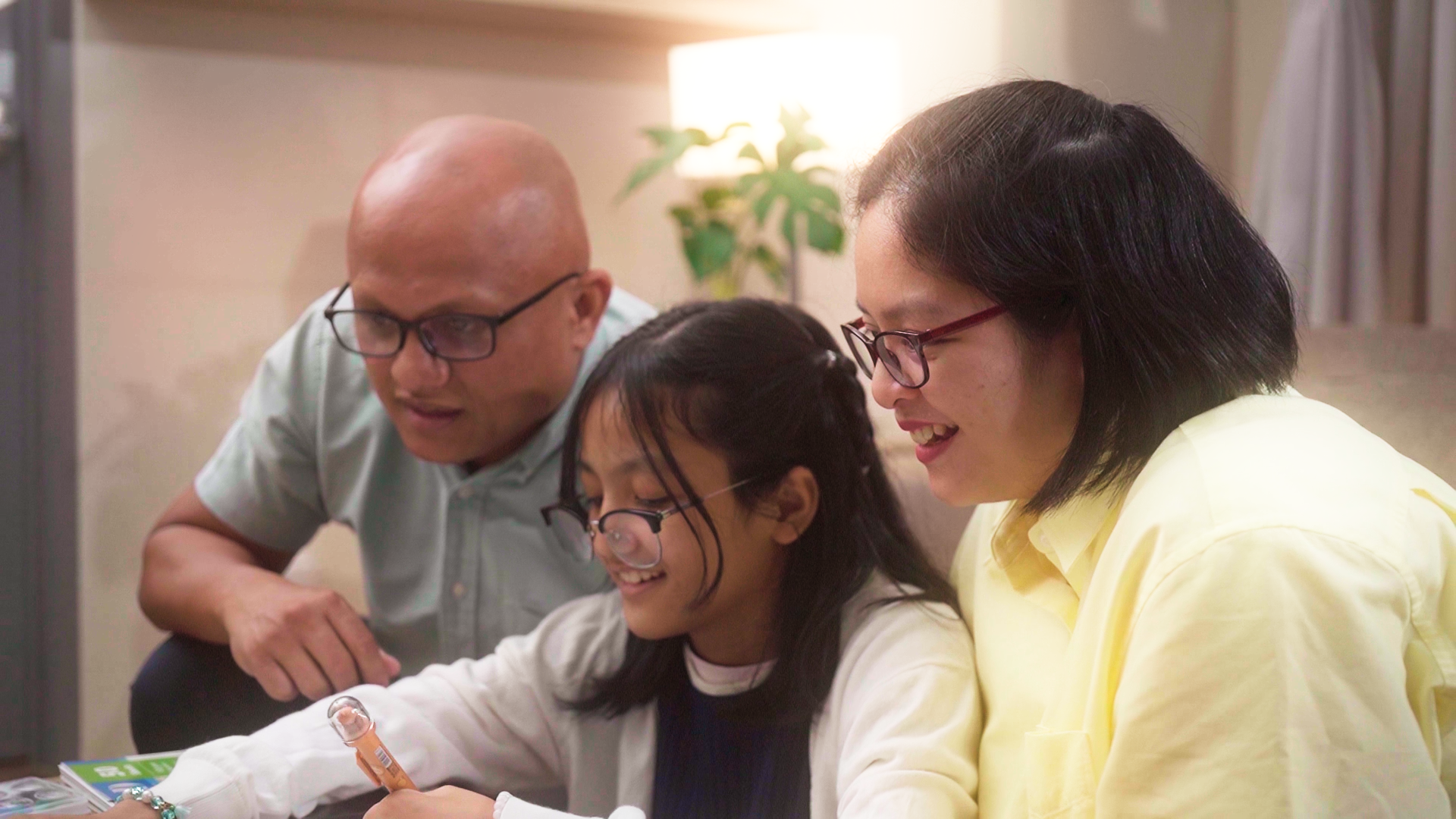
This approach gives parents a more active role in supporting their children. With a clearer picture of what a learner understands, families can better recognize when to offer encouragement, provide additional guidance, or seek help from teachers.
Helping Parents Become More Confident Learning Partners
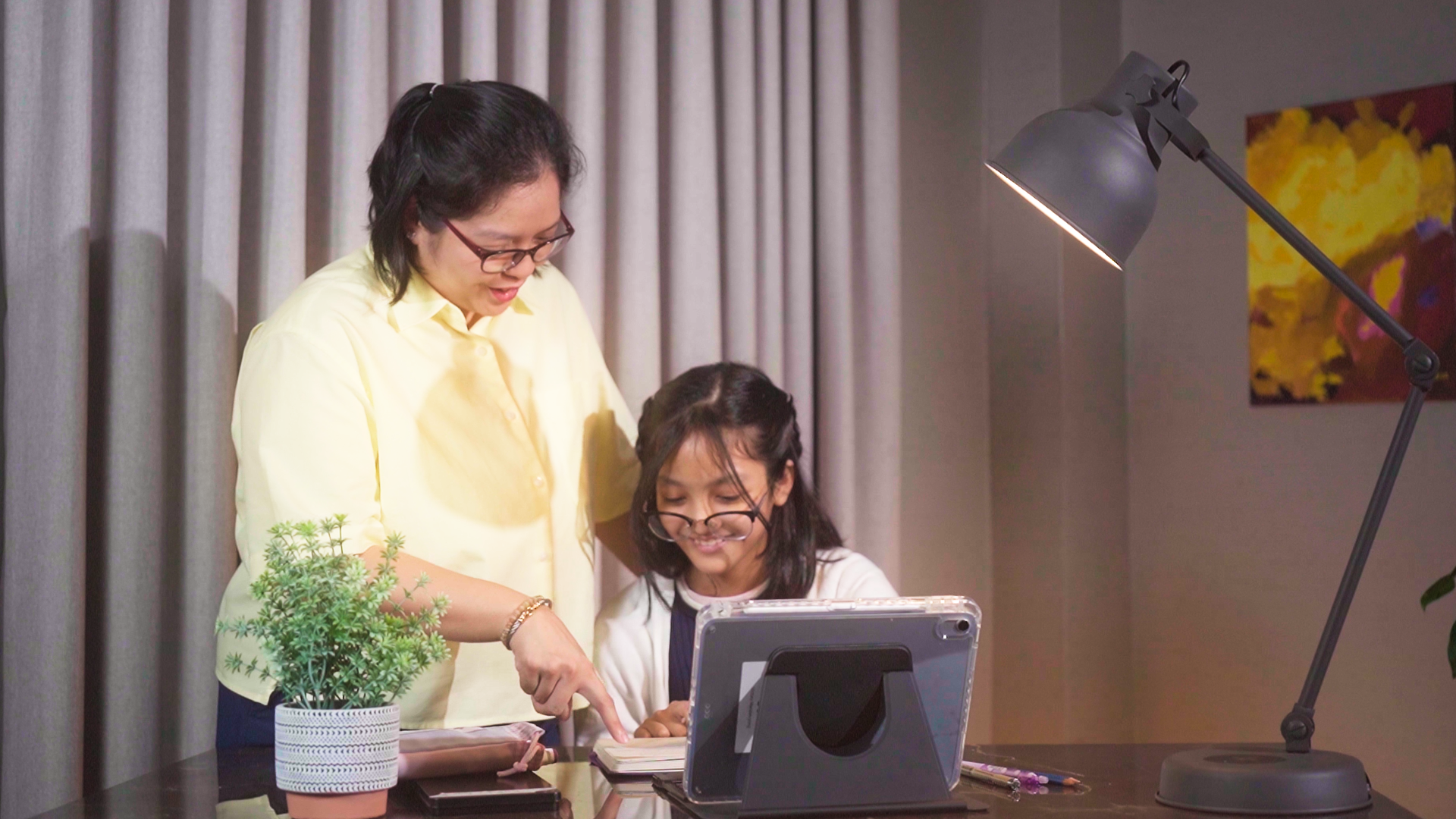
Virgilio is not alone in wanting greater visibility into a child’s academic progress. For Ma. Elizabeth Domingo Villamor, a Primary Learning Adviser and the aunt of Grade 10 student Elizah Zabiel Villamor, homeschooling offered a better understanding of how her niece learns and what helps her stay motivated.
“Nung nalaman ko ang NTC Homeschooling at in-enroll ko ang pamangkin ko, nawala yung dati kong pag-aalala kung may natutunan ba talaga siya. Mas naintindihan ko kung saan siya mas natututo at sa paanong paraan siya mas ginaganahang mag-aral,” Elizabeth shares.
“Dahil sa performance-based assessments at tulong ng teachers, mas napapadali malaman kung paano ko pa matutulungan ang pamangkin ko sa pag-aaral niya.”
For Elizabeth, the value lies not only in monitoring schoolwork but also in understanding the learner behind it. Knowing how a child responds to lessons and where support is needed can help parents and guardians become more effective partners in education.
It also changes the way academic progress is viewed. Instead of measuring success solely through finished assignments, families can pay closer attention to a child’s ability to explain ideas, demonstrate understanding, and use newly acquired knowledge.
From Uncertainty to Understanding
Every parent wants to know that their child is moving forward. Yet meaningful learning is not always immediately visible, particularly when families rely mainly on grades, completed modules, or submitted activities to measure progress.
For Virgilio and Elizabeth, gaining a clearer view of their children’s learning has helped make that responsibility feel more manageable. With assessments, teacher guidance, and a more personalized approach, parents can stay involved in their children’s education with greater insight into their needs and progress.
Through NTC Homeschool: SmartClass, the goal is to make learning more than a series of completed requirements. It is about helping children understand what they study—and helping the adults who support them recognize that understanding as it develops.
Because sometimes, the most reassuring moment for a parent is not seeing an assignment marked complete. It is hearing a child explain what they learned and seeing that knowledge come to life beyond the page.
To learn more about NTC Homeschool: SmartClass, visit ntc.edu.ph or follow the program’s official social media pages.