





With a potentially severe El Niño expected to bring prolonged dry conditions, Manila Water Philippine Ventures is stepping up its preparations to help communities maintain reliable access to safe water.
As the country braces for a potentially strong El Niño that could affect rainfall and water availability in the coming months, securing a dependable water supply is becoming increasingly important for households, businesses, and communities.
For residents of Metro Cebu, where water demand continues to grow amid challenging dry-weather conditions, preparations are already underway. Manila Water Philippine Ventures (MWPV), the Non-East Zone subsidiary of Manila Water Company, is strengthening its water sources, preparing backup facilities, and planning infrastructure improvements to help communities cope with prolonged dry spells.
The Philippine Atmospheric, Geophysical and Astronomical Services Administration (PAGASA) has warned that El Niño could persist until the first quarter of 2027. From late October 2026 to March 2027, as many as 85 provinces may experience dry conditions, dry spells, or drought.
The weather phenomenon, characterized by unusually warm sea surface temperatures in the tropical Pacific Ocean, can alter rainfall patterns and put additional pressure on water resources.
In response, MWPV is intensifying preparedness measures across its 13 operating units in Luzon, Visayas, and Mindanao, focusing on source development, infrastructure resilience, operational readiness, and measures to augment supply when needed.
Strengthening Cebu’s Water Supply Before the Dry Spell
In Cebu, preparations are focused on maintaining reliable service while building greater resilience against extended periods of limited rainfall.
MWPV-Cebu currently delivers approximately 30.3 million liters of potable water per day, with the capacity to provide an additional 7.5 million liters daily to Metro Cebu. This additional capacity could help serve approximately 12,000 households, supporting the region’s water requirements as demand continues to increase.
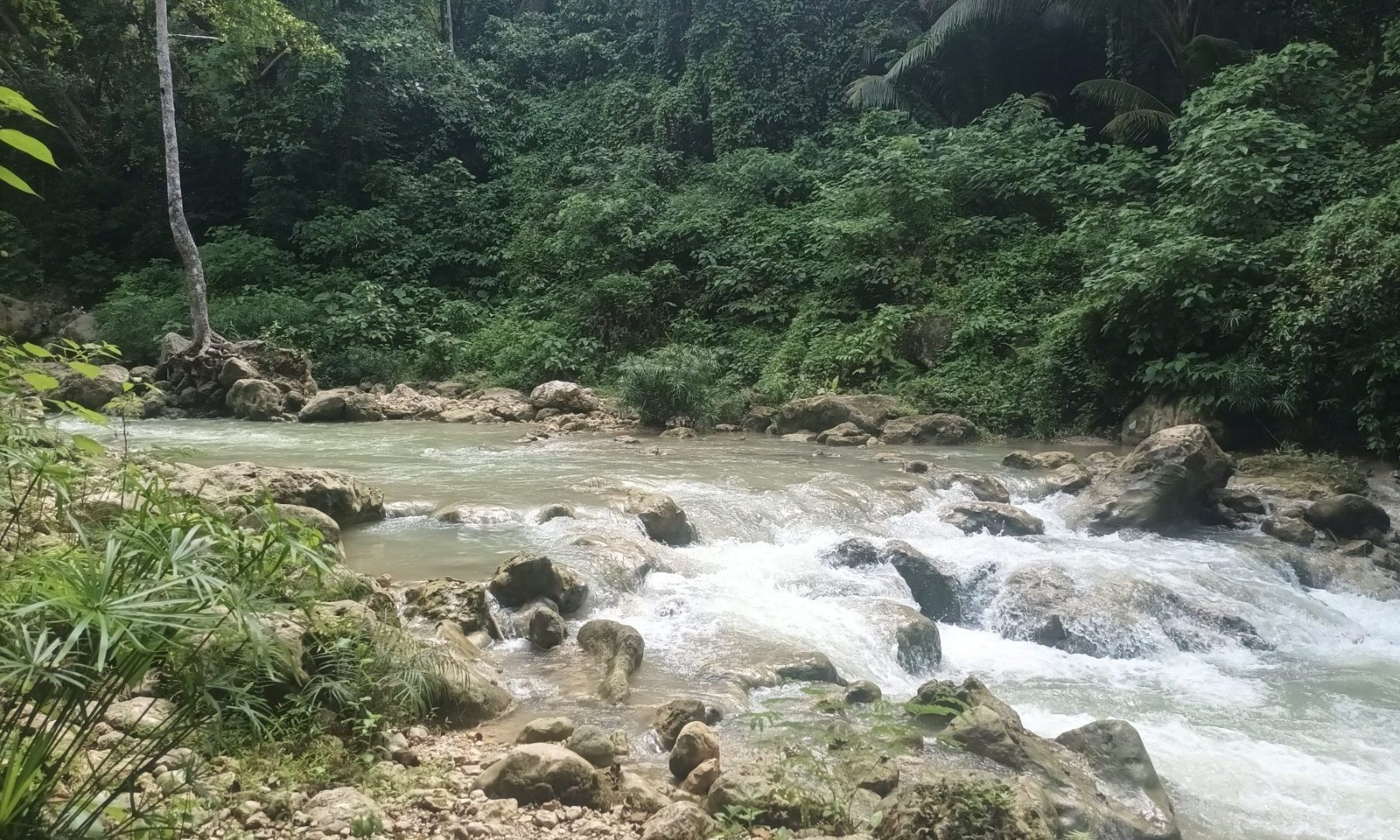
Despite prevailing dry-season conditions, the company’s water source remains stable, with water continuing to overflow from the weir. This indicates that the source is currently meeting production requirements while the company continues to comply with applicable water quality standards.
For communities that depend on a consistent supply for drinking, cooking, sanitation, and other daily needs, maintaining this reliability is particularly important as weather conditions become more challenging.
Ruby Rose Mercado, general manager of MWPV-Cebu, said the company’s current supply position, preparedness measures, and planned capacity expansion are intended to support the region’s growing water requirements.
“The combination of our current supply reliability, robust El Niño preparedness measures, and planned capacity expansion provides support to Metro Cebu’s growing water requirements. We are not only addressing today’s needs but also laying the foundation for a more resilient and sustainable water future for the region,” Mercado said.
Preparing Water Sources and Backup Facilities
To help maintain supply during prolonged dry weather, MWPV has introduced a series of preparedness measures designed to keep existing facilities operational and make additional resources available when required.
These include the continuous monitoring and rehabilitation of deep wells and surface water sources, preventive maintenance of facilities, and more efficient use of reservoir capacity.
The company is also exploring new water sources and preparing water tankers, mobile treatment plants, and standby deep wells to provide additional support when necessary. Enhanced backwash recovery programmes at treatment facilities are likewise intended to help improve water-use efficiency.
Together, these efforts aim to reduce the risk of supply disruptions and strengthen the company’s ability to respond to changing water conditions.
Preparedness also extends beyond immediate operational needs. MWPV is preparing for a major water supply infrastructure project involving new source facilities, treatment facilities, and a pumping station. The planned development is intended to strengthen Metro Cebu’s supply capacity, subject to the project’s development and implementation.
By combining immediate readiness measures with longer-term infrastructure planning, the company is working to address current needs while preparing for future demand.
A Nationwide Effort to Protect Water Security
While Cebu faces its own water supply challenges, MWPV’s preparations extend across its operating areas throughout the country.
In Luzon, these include Metro Ilagan Water, Calasiao Water, Laguna Water, Laguna Aquatech, and Tanauan Water. In the Visayas, the company’s operating units include Boracay Water and Calbayog Water, while Tagum Water serves communities in Mindanao.
MWPV’s business-to-business operations, Estate Water and Manila Water Infratech Solutions, are also part of the broader effort to strengthen water services and infrastructure.
The initiatives complement the preparedness work of parent company Manila Water, which has long undertaken measures to help protect water supply in Metro Manila’s East Zone against potential drought and El Niño impacts.
By strengthening water sources, maintaining facilities, preparing backup supply options, and planning strategic infrastructure investments, MWPV aims to improve operational readiness across its service areas.
Building Resilience for Communities and Future Generations
Water security is essential not only for households but also for the businesses, industries, and public services that support local economies. Prolonged dry weather can make managing this vital resource more challenging, underscoring the importance of planning before supply pressures intensify.
For MWPV, preparing for El Niño involves both responding to immediate risks and developing a more sustainable approach to meeting future demand.
Through continued infrastructure development, responsible resource management, and coordination with its partner water districts, the company aims to help ensure that the communities it serves are better prepared for changing weather conditions.
As the country approaches another potentially challenging dry period, these efforts reflect the importance of acting early to protect a resource that families and communities depend on every day.