





A Makati Medical Center child and adolescent psychiatrist explains how early warning signs, positive parenting, and professional intervention can help young people manage difficult emotions and develop healthier behaviors.
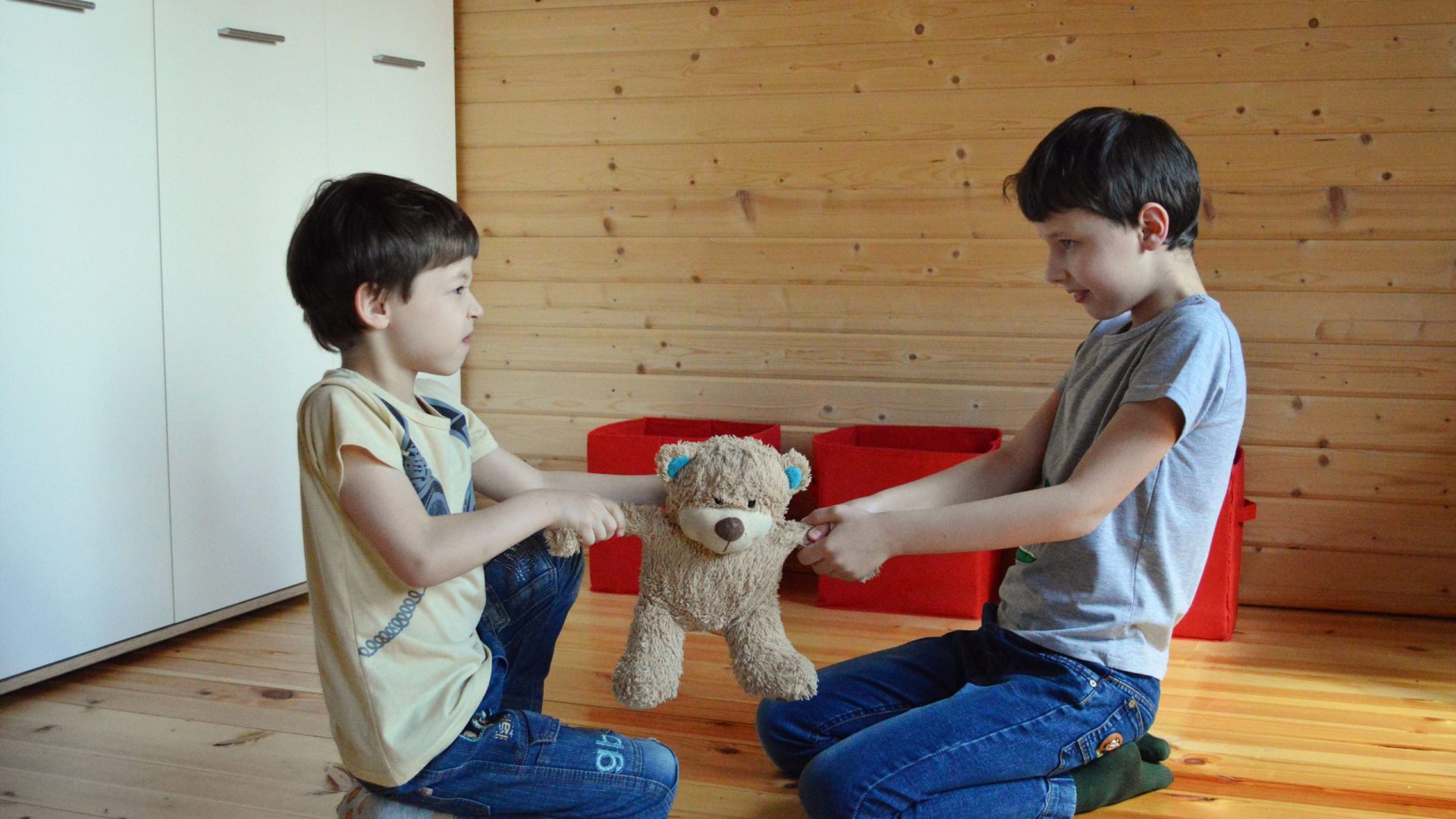
Reports of violent incidents involving children and teenagers have raised serious concerns about the factors that contribute to aggressive behavior among young people. For families, educators, and communities, these incidents underscore the importance of recognizing warning signs, understanding what may be behind a child’s actions, and seeking appropriate support before problems escalate.
According to Constantine L. Yu Chua, MD, a Child and Adolescent Psychiatry Specialist at Makati Medical Center (MakatiMed), there is no single explanation for why violence occurs among children and adolescents. Instead, aggressive behavior may be influenced by a combination of biological, psychological, and social factors.
Understanding these influences is important not only for preventing harm, but also for identifying young people who may need mental health support, guidance, and intervention.
Understanding the Factors Behind Aggression
Dr. Yu Chua explains that biological factors, including certain mental health conditions, may affect a young person’s mood, judgment, impulse control, and ability to interpret social situations. However, having a psychiatric condition does not automatically make someone violent.
Psychological factors may also contribute to aggressive behavior. These can include difficulty regulating emotions, solving problems, making decisions, or empathizing with others. Persistent feelings of hopelessness, hostility, or distrust toward peers and authority figures may further complicate a young person’s behavior.
Social experiences also matter. Exposure to violence at home, in school, or in the community can influence how children understand and respond to conflict. Young people who experience bullying or abuse may struggle to manage their emotions or may come to view aggression as an acceptable way to respond to problems.
A lack of supportive relationships can make these challenges more difficult to navigate. Access to weapons can also increase the risk that threatening thoughts or impulses may lead to serious harm.
Media exposure and online interactions may form part of the wider environment influencing young people. However, playing violent video games or using online platforms alone does not establish that a child will become violent. A careful assessment of the individual’s behavior, circumstances, and other risk and protective factors is essential.
Dr. Yu Chua emphasizes that risk factors do not determine a young person’s future. Meaningful relationships, a sense of purpose, social support, and timely intervention can help protect children and teenagers and support healthier development.
Recognizing Warning Signs Early
Parents and caregivers play an important role in noticing persistent changes in a child’s behavior and seeking help when necessary.
According to Dr. Yu Chua, recurring conduct problems—including bullying, stealing, vandalism, and other harmful behaviors—deserve attention, particularly when they occur alongside difficulties with emotional control or relationships.
Statements about plans to hurt another person, whether made in person or online, should also be taken seriously. Parents and school personnel should respond calmly but promptly, assess immediate safety concerns, and seek professional guidance when needed.
Some young people may repeatedly struggle to control their emotions despite recognizing that their actions are harmful. Others may have difficulty understanding how their behavior affects people around them.
Rather than dismissing these concerns as a passing phase or simply labeling a child as “bad,” caregivers can look at the pattern of behavior, the circumstances surrounding it, and whether the child needs additional support.
When there is an immediate threat of harm, protecting everyone involved and contacting appropriate emergency or crisis services should take priority.
Why Connection and Discipline Must Go Together
Supporting a child who displays aggressive behavior can be challenging for parents. Dr. Yu Chua recommends combining understanding with appropriate boundaries and consequences.
He describes this approach as “connect and correct”—acknowledging a child’s thoughts and feelings while making it clear that harmful actions are unacceptable.
Listening to a child does not mean excusing aggression. Instead, it creates an opportunity to understand what the child is experiencing, explain the consequences of their actions, and teach more constructive ways to handle frustration and conflict.
Positive reinforcement is also an important part of discipline. Recognizing respectful communication, responsible choices, and efforts to manage emotions can encourage children to repeat these behaviors.
Parents should also pay attention when teenagers themselves express concern about their mental health or behavior. Dr. Yu Chua notes that some adolescents recognize they are struggling and tell their parents they may need help.
Taking such concerns seriously can open the door to an assessment and appropriate support.
When to Seek Professional Help
A child and adolescent psychiatrist can conduct a comprehensive evaluation to better understand persistent aggressive behavior and determine whether a mental health condition or another concern may be contributing to it.
The assessment may include clinical interviews, psychological testing when appropriate, and medical investigations to rule out underlying physical conditions.
Treatment depends on the individual’s needs and assessment findings. Options may include counseling, psychotherapy, family-based interventions, and medication when clinically indicated.
“Sometimes, counseling alone is not enough if there is a mental health disorder that contributes to violence,” Dr. Yu Chua explains. He also notes that medication alone may not address the thinking patterns, behavioral difficulties, and self-regulation skills that need attention.
A combined approach may therefore be appropriate for some young people, helping address both underlying conditions and the practical skills needed to manage emotions, solve problems, and build healthier relationships.
Creating a Supportive Environment at Home and School
Mental health professionals are only one part of a child’s support system. Parents, relatives, teachers, and trusted peers can all contribute to an environment that encourages positive change.
Dr. Yu Chua highlights two important ways families can help: modeling healthy behavior and building strong relationships.
Children learn from the adults around them. When parents demonstrate constructive ways to handle stress, express anger, and resolve disagreements, they provide examples that children can apply in their own lives.
Strong family relationships are equally important. Young people benefit from knowing that someone will listen to them, take their concerns seriously, and help them work through problems without resorting to violence.
Schools can reinforce these efforts by promoting respectful relationships, responding appropriately to bullying, and providing access to guidance and mental health support.
Giving children opportunities to contribute, help others, develop their interests, and experience a sense of accomplishment can also encourage positive social behavior and strengthen their connection to their communities.
A Shared Responsibility for Children’s Well-Being
Addressing aggressive behavior among young people requires more than punishment or a single intervention. It calls for understanding, consistent boundaries, early recognition of concerning patterns, and access to appropriate professional care.
As Dr. Yu Chua emphasizes, children benefit when the important adults in their lives work together to demonstrate healthy behavior, build trusting relationships, and guide them toward better choices.
Every child deserves to be treated with dignity while being held accountable for harmful actions. With coordinated support from families, schools, communities, and mental health professionals, young people who struggle with behavior and emotional regulation can receive the help they need to develop safer and healthier ways of responding to life’s challenges.
For more information, contact MakatiMed On-Call at +632 88888 999, email mmc@makatimed.net.ph, or visit the official Makati Medical Center website at www.makatimed.net.ph. Follow @IamMakatiMed on Facebook and Twitter.