
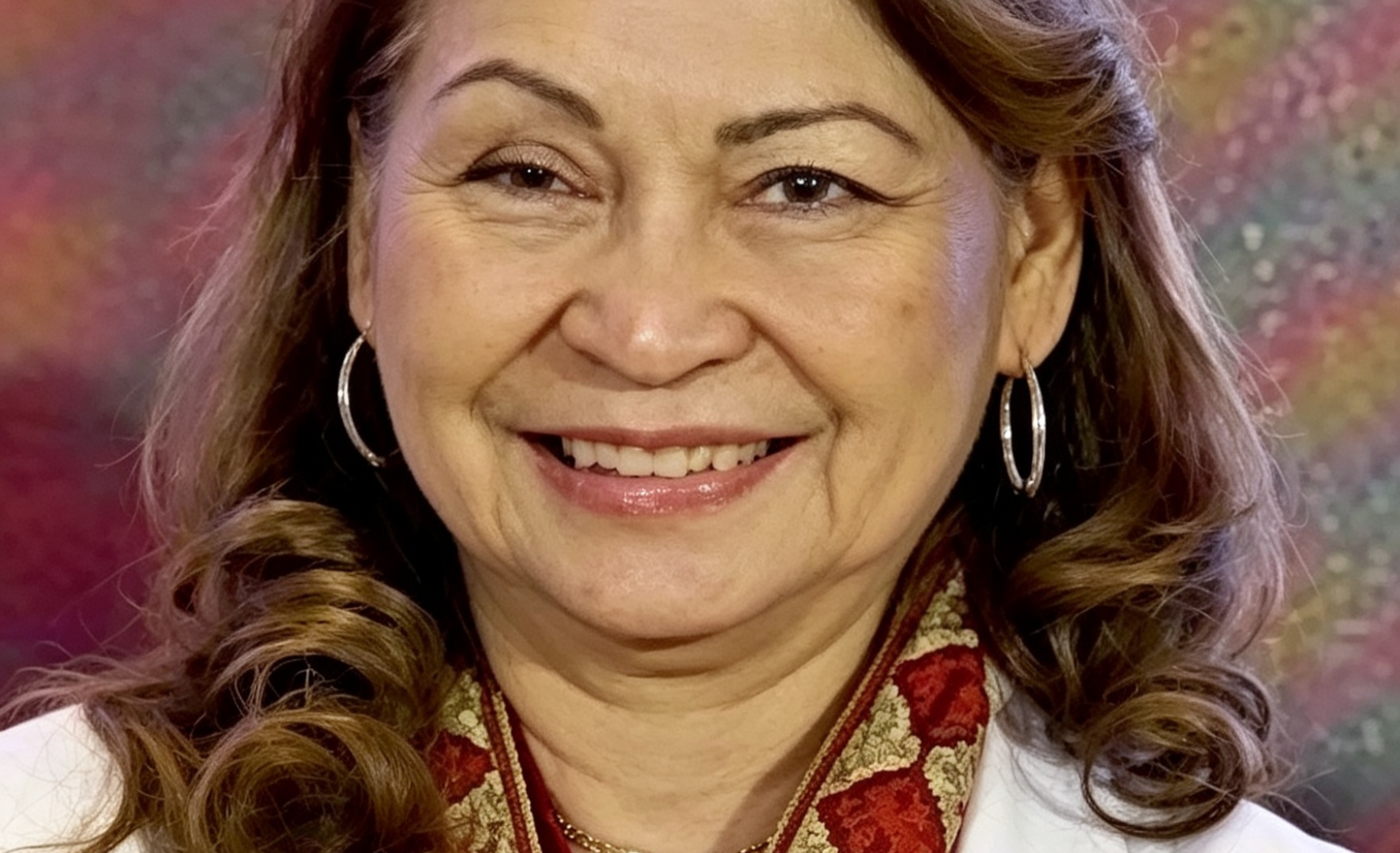






Amid the high number of dengue-related deaths, Dr. Lulu Bravo, executive director of the Philippine Foundation for Vaccination (PFV); Dr. Rontgene Solante, head of the Adult Infectious Diseases and Tropical Medicine Unit at San Lazaro Hospital; and Dr. Nina Gloriani, former dean of the University of the Philippines Manila College of Public Health, are calling for vaccination against dengue. TAK-003, or Qdenga, a second-generation dengue vaccine developed using Japanese technology, has been under review by the Food and Drug Administration for three years.
MANILA, Philippines — At least 386 Filipinos have died of dengue this year, alarming health experts as several areas breach epidemic thresholds and the country remains without access to a second-generation dengue vaccine amid the rainy season.
Dr. Lulu Bravo, executive director of the Philippine Foundation for Vaccination (PFV), said the deaths recorded from the first week of January to the first week of August 2026 should serve as a warning against complacency despite the decline in cases nationwide.
“We should not measure the seriousness of dengue by case numbers alone. We have already lost over 300 Filipinos this year alone to this disease, while communities in different parts of the country are experiencing outbreaks,” Bravo said.
The Department of Health (DOH) recorded 93,155 dengue cases from Jan. 4 to Aug. 1, 46 percent lower than the 174,077 cases during the comparable period last year. Despite the decline, epidemic-level activity has been reported in various areas in the country.
Dr. Rontgene Solante, head of the Adult Infectious Diseases and Tropical Medicine unit at San Lazaro Hospital and a past president of the Philippine College of Physicians, said the lower figures should be viewed in the context of the country’s historically high dengue burden.
“We never really have a low number of dengue cases. Dengue has historically remained high in the Philippines,” Solante said.
“The country has ranked among the countries with the highest number of dengue cases for several years. Dengue is endemic here so we have to recognize that the baseline burden itself is already high,” he added.
Provinces breach epidemic thresholds
DOH surveillance covering July 5 to Aug. 1 showed that La Union, Aurora, Albay, Camarines Norte, Zamboanga Sibugay, Davao Oriental, Sulu, Tawi-Tawi, Abra and Agusan del Sur, as well as Lapu-Lapu, Mandaluyong and Zamboanga cities, had exceeded the epidemic threshold for dengue.
Cebu City, Mandaue City, Sorsogon and Davao de Oro breached the alert threshold.
Cebu City recorded 1,228 cases and 10 deaths from Jan. 1 to July 18, compared with 1,093 cases and three deaths during the same period last year. Lapu-Lapu City recorded 151 cases and two deaths in July alone.
In Zamboanga City, local authorities declared a dengue outbreak early August following 12 confirmed deaths from 1,241 cases across 39 barangays, a 500 percent jump from the same period last year. The city health office confirmed entomological thresholds had been breached by up to 12 times the safety limit, creating an environment conducive to intensified urban transmission.
Spread of Dengue to Continue with Climate Change
Dr. Nina Gloriani, former dean of the University of the Philippines Manila College of Public Health and an infectious disease and vaccine expert, warned that climate change, population growth, and greater mobility are changing the spread of dengue.
“Climate change and global warming, increased population and travel mobility have contributed to the changing landscape of dengue. We are now seeing dengue reported in areas where it was not previously seen,” Gloriani said.
She said the situation calls for an integrated approach combining mosquito control, surveillance, early diagnosis and treatment with vaccination as an additional preventive measure.
Second generation dengue vaccine
“Vaccination remains one of the most effective and vital public health tools for preventing infectious diseases, achieving community protection and saving lives,” Gloriani said.
She said the availability of a second-generation dengue vaccine in other countries provides the Philippines an opportunity to consider another layer of protection, particularly as the country continues to record infections, hospitalizations and deaths.


The World Health Organization (WHO) recommends TAK-003, or Qdenga, for children aged six to 16 years in settings with high dengue transmission intensity. Gloriani said local morbidity and mortality data across age groups should also be considered when determining how vaccination could be introduced in the Philippines.
Bravo warned that dengue could continue to threaten communities throughout the year with peak incidence during the rainy season.
“For the last two decades, dengue has spread to more than 134 countries. It is no longer limited in tropical high humidity countries because of climate change and population mobilization,” Bravo explained.
“We cannot simply accept these deaths as something that inevitably happens every rainy season,” she asserted, highlighting the urgency for a vaccine.