







For many Filipino families, the holiday season means going home, reuniting with loved ones, and creating memories together. For passengers traveling by sea, a safe and comfortable journey begins long before they board the ship.
Behind every scheduled departure is a series of preparations designed to help ensure that vessels, crew members, and passengers are ready for the journey ahead.
Through its “Before We Sail” initiative, 2GO Travel is highlighting five key safety practices that take place behind the scenes before its ships leave port, reinforcing its commitment to dependable sea travel, especially as the busy holiday season approaches.
1. Preparing Crew Members Through Regular Drills
A safe voyage begins with a crew that knows how to respond when unexpected situations arise.
2GO personnel participate in regular drills to practice emergency response procedures, strengthen coordination, and reinforce their individual responsibilities onboard. These exercises help crew members remain prepared and underscore the importance of making safety a shared responsibility throughout every journey.
2. Checking Safety Facilities and Equipment
Before passengers set sail, safety facilities and equipment onboard undergo routine inspections to help ensure they are in proper condition and ready for use.
These checks support emergency preparedness and help identify equipment or facilities that may require attention before departure.
While passengers may not always see these preparations, they form an important part of the work involved in getting a vessel ready for its next voyage.
3. Inspecting Vessels Before Every Journey
Vessel readiness requires attention even after a ship completes a trip.
Following arrival and before its next departure, technical teams conduct routine inspections covering the deck, engine, and bearings to assess the vessel’s condition and operational readiness.
These checks help support the safe and efficient operation of vessels, contributing to the well-being of both passengers and crew members.
4. Screening Baggage and Cargo
Passenger safety also involves checking what goes onboard.
As part of its standard operating procedures, 2GO screens baggage and cargo before loading to help manage potential risks and maintain a secure environment onboard.
These procedures form another layer of preparation, helping ensure that safety considerations extend beyond the vessel itself to the items carried during the journey.
5. Securing Required Departure Clearances
Before a ship leaves port, the necessary inspections and departure clearances must be completed.
2GO works closely with the Philippine Coast Guard to meet the required procedures and secure the appropriate approvals before sailing. A vessel departs only after receiving the necessary clearance, providing an additional level of oversight before the journey begins.
Safe Travel Starts with Everyone
These five practices reflect 2GO Travel’s continuing commitment to passenger safety and dependable sea travel. From preparing crew members and checking equipment to inspecting vessels and securing departure clearances, the work behind every voyage helps passengers travel with greater confidence.
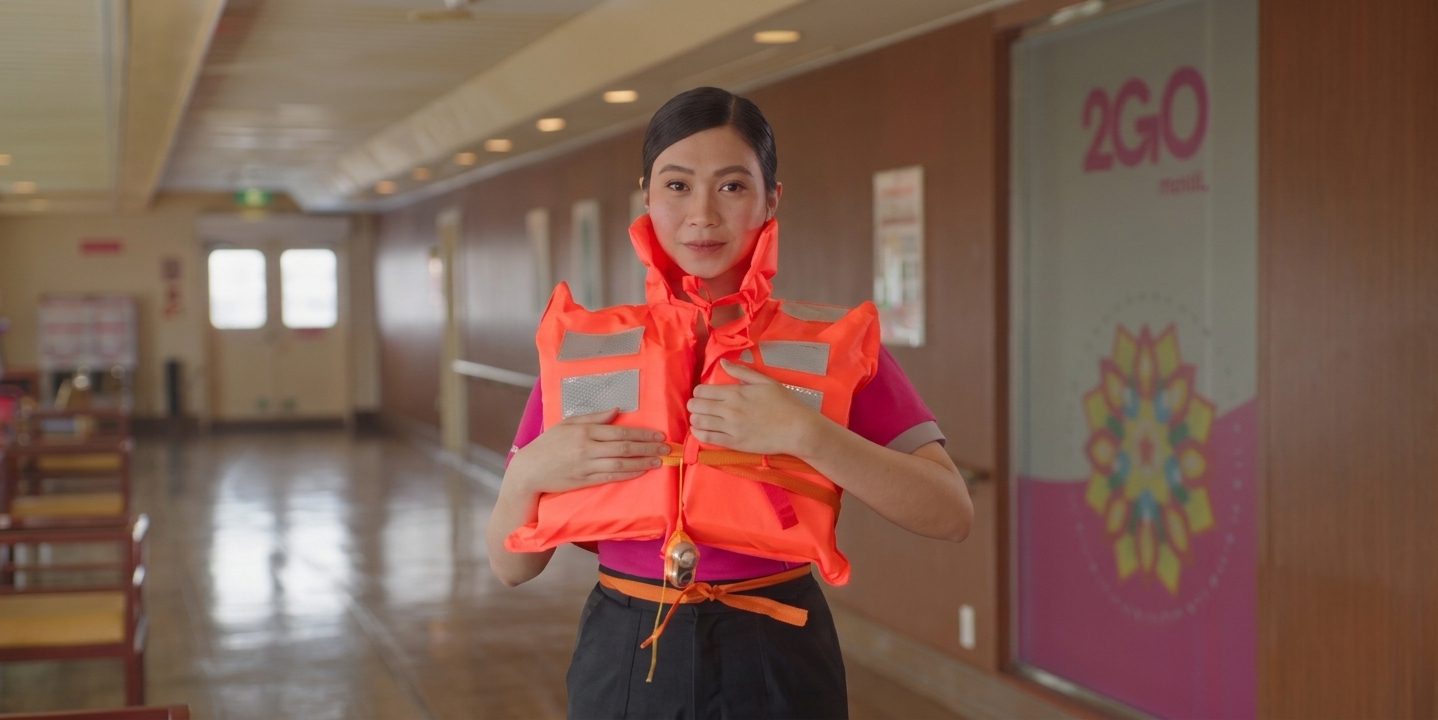
Passengers also have an important role to play. Travelers are encouraged to listen carefully to onboard safety briefings, familiarize themselves with emergency exits and life jacket locations, and approach crew members whenever they need assistance.
As families prepare to reunite during the holidays, 2GO Travel continues its behind-the-scenes preparations to help make every journey safer and more comfortable—from the moment a vessel is readied for departure to the time passengers reach their destination.
For bookings, visit travel.2go.com.ph.