
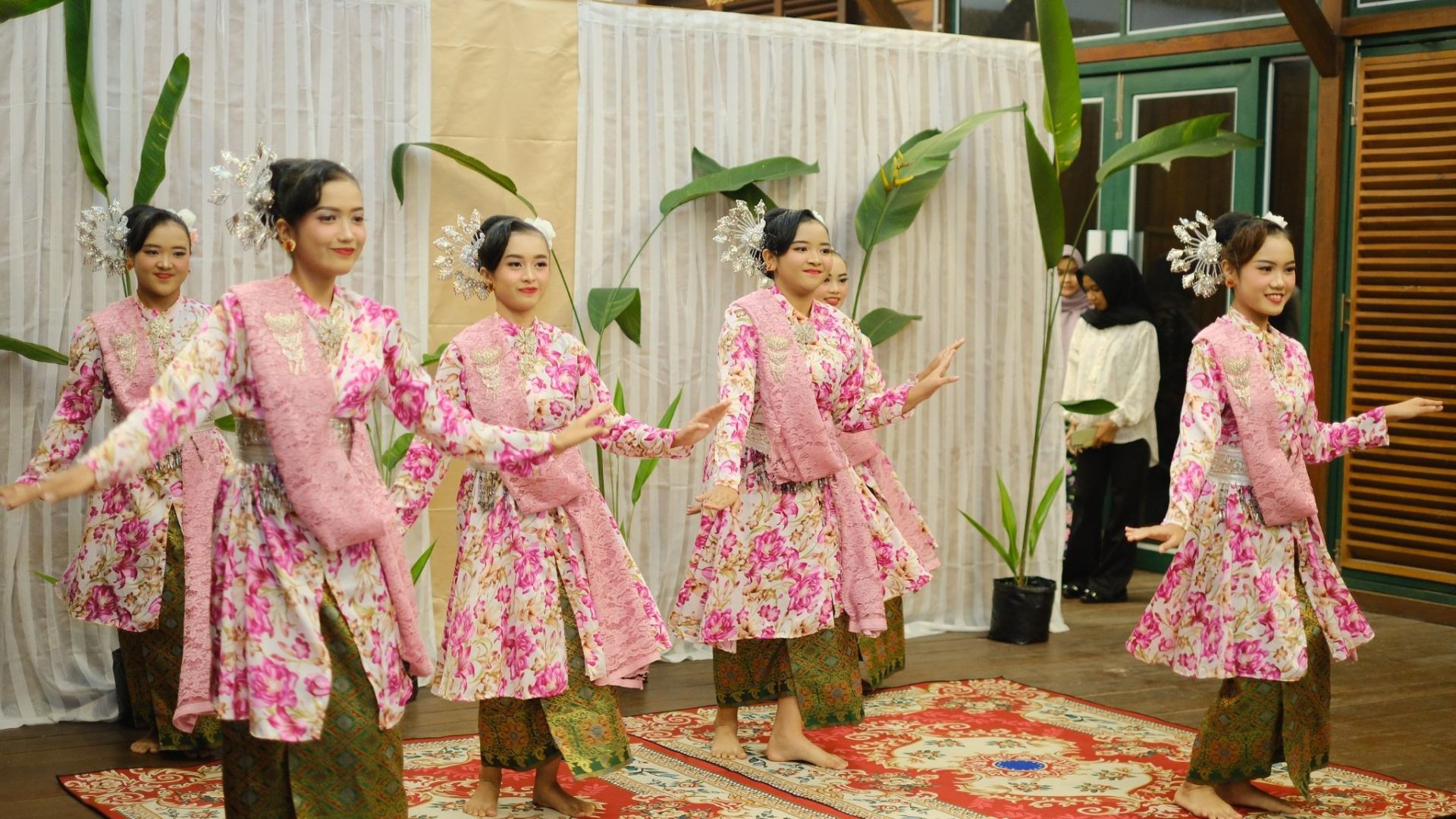






The Indonesian initiative combines cultural experiences, environmental conservation and local enterprise to demonstrate how tourism can benefit communities beyond visitor spending.
Tourism can do more than attract visitors to scenic destinations. When local communities play an active role in developing tourism experiences, it can also help preserve cultural traditions, protect natural resources and create livelihood opportunities.
Across Southeast Asia, community-based tourism is gaining attention as a way to make tourism more inclusive and sustainable. The Philippines, for example, is advancing this approach through the Department of Tourism’s 2026 Cordillera tourism village initiative, which seeks to empower communities, preserve Indigenous traditions and natural resources, and strengthen local tourism products.
This approach reflects a wider regional interest in sustainable travel, with more than 80% of Asia-Pacific travelers reportedly expressing a preference for sustainable tourism.
A similar model is taking shape in Siak Regency, Riau, Indonesia, where the Siak River, Malay cultural heritage and local livelihoods are closely connected. Developed by Skelas in collaboration with local stakeholders, Siak Eco Wonders brings together river excursions, heritage tours, traditional cuisine and community activities to create opportunities for micro, small and medium enterprises (MSMEs) while helping preserve the area’s cultural and natural assets.
Turning the Siak River Into a Cultural Tourism Experience
Traditionally used for transportation and everyday community activities, the Siak River is now becoming a focal point for cultural tourism. Through partnerships with Benteng Berdaulat and local Tourism Awareness Groups, known as Pokdarwis, traditional sampans offer visitors a way to explore the river and discover the region’s history.
Taufiq Nurrohim, Business Development representative of Skelas, said the initiative was created to help connect Siak’s tourism attractions and package them into more accessible visitor experiences.
“We saw great potential in Siak, but the management was not yet maximized. It was not because it was wrong, but because things were not yet connected and packaged well,” he said.
Siak Eco Wonders offers meeting, dining and tour packages designed to connect visitors with local culture and enterprises. Meeting packages typically accommodate 30 to 40 guests, with an average of two bookings per month from corporate corporate social responsibility (CSR) programs and government agencies. Dining experiences can accommodate up to 100 visitors.
Visitors can explore historical landmarks, including Siak Palace, Syahabuddin Mosque and Balai Kerapatan, using wooden bicycles. They can also hear the rare komet music box, described by the initiative as one of only two remaining worldwide and the only one that remains playable.
The program also introduces visitors to local livelihoods and traditional skills. Activities include making nastar cookies at the Pinaloka pineapple processing center, learning about cork fish processing and peatland conservation at Alam Siak Lestari, and joining local fishermen to set nets in the afternoon before returning the following morning to collect fish.
These experiences offer visitors more than sightseeing: they provide opportunities to learn about the people, traditions and livelihoods that shape Siak.
Local Food and Traditions at the Center of the Visitor Experience
Food is another important part of Siak Eco Wonders’ community-based approach. Rather than relying exclusively on large catering providers, the initiative engages residents of Benteng Hulu Village to prepare traditional Malay dishes, including asam pedas patin, salais fish, tapah fish and juara tumbuk.
Visitors can also experience makan beranyut, a traditional fishing practice in which people dine aboard a sampan as it drifts along the Siak River.
By incorporating local food and cultural practices into its packages, the initiative creates opportunities for community members to participate directly in tourism while introducing visitors to the region’s heritage.
Building Sustainable Tourism Through Local Partnerships
Siak Eco Wonders builds on Skelas’ experience in mentoring local enterprises, including its management of Siak River Land. Its development involves partnerships with local MSMEs, Tourism Awareness Groups in Mempura and Benteng Hulu districts, and Bank Indonesia.
Environmental considerations are also incorporated into its operations. Meeting and dining packages avoid single-use plastics and encourage guests to bring reusable tumblers or use paper cups. Food waste is processed using maggots through a partnership with the Village-Owned Enterprise, or Bumkam, Sejahtera in Mempura District.
“We want this tourism to provide a simple example that tourism activities can run without adding a burden to the environment,” Nurrohim said.
The initiative is also opening opportunities for young people. Since its launch in July, it has engaged eight vocational tourism students as dinner servers and involved around 20 volunteers on a rotating basis in tour activities.
To broaden its reach, Siak Eco Wonders has worked with seven local influencers who experienced and shared its offerings. It has also begun attracting international visitors, including student groups from Japan and Malaysia, as well as travelers from Singapore.
Early Economic Gains and Plans for Growth
Since launching in July, Siak Eco Wonders has generated approximately IDR 21 million in revenue, equivalent to around PHP 73,500. It receives an average of 15 to 20 tourists monthly, while bicycle rentals average 20 to 30 per week.
Beyond direct revenue, the initiative supports approximately 10 local MSMEs involved in food, processing and transportation services. Visitor feedback has also helped raise awareness of the importance of keeping Siak and its river canals clean.
However, challenges remain. Accommodation costs average IDR 300,000, or approximately PHP 1,051.51, per night, while the road journey from Pekanbaru takes around two to three hours. Travelers from Malaysia and Singapore must combine sea and land transport to reach the destination.
These considerations make well-designed, value-added tour packages important to improving accessibility and the overall visitor experience.
Looking ahead, Skelas plans to establish a business entity, expand its partnerships and develop environmentally friendly homestays that incorporate traditional Malay houses.
“The hope is that tourism in Siak does not just sell views, but also revives culture, protects nature, and creates jobs,” Nurrohim said.
Siak Eco Wonders illustrates how tourism can contribute to local economic development while supporting cultural preservation and environmental care. By involving residents, local businesses and community organizations in the visitor experience, the initiative seeks to ensure that the benefits of tourism extend beyond the destination itself.
Its approach highlights a broader possibility for the tourism industry: travel can be a means of supporting livelihoods, keeping traditions alive and strengthening the relationship between people, culture and the natural environment.