
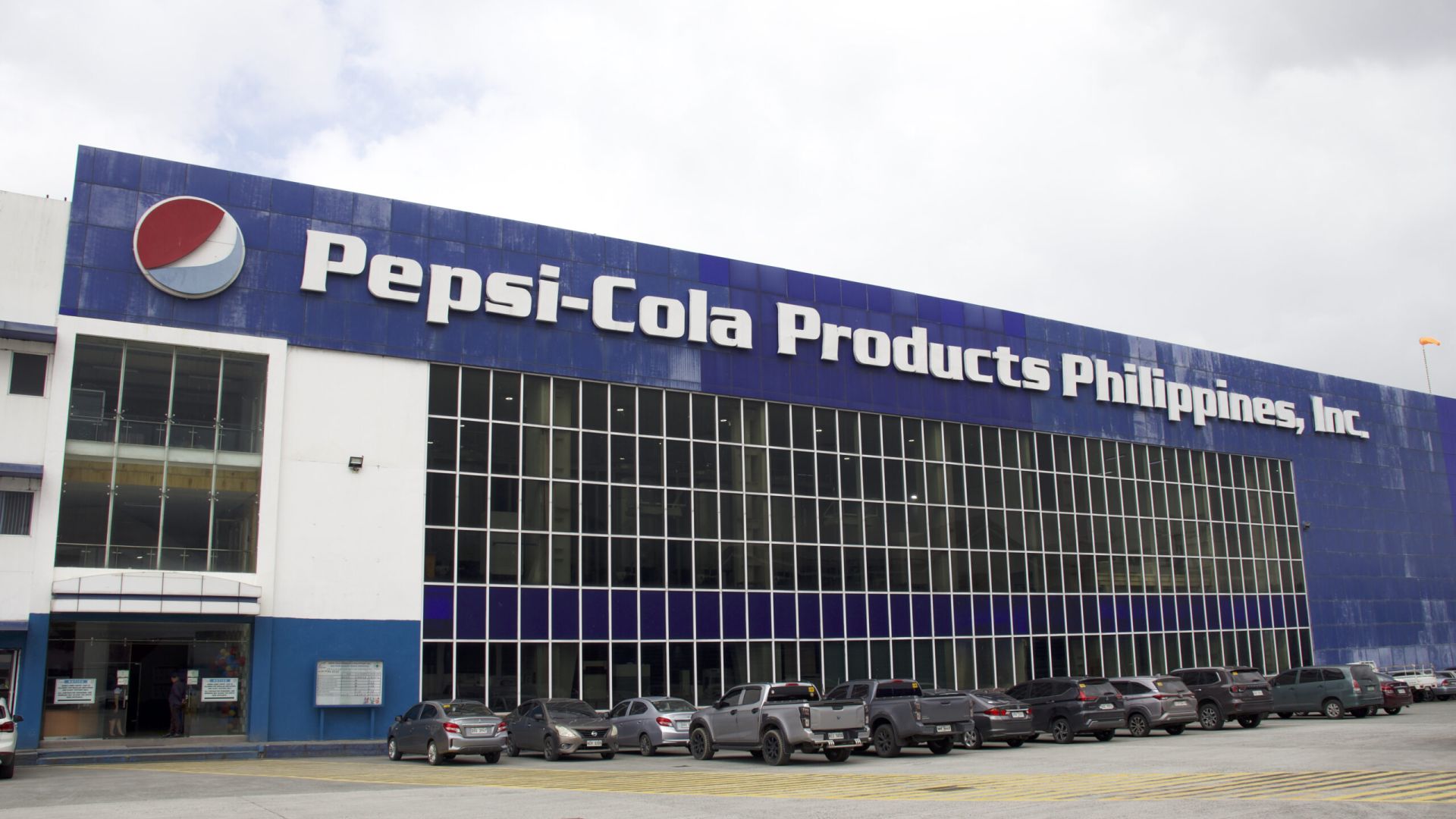






Pepsi-Cola Products Philippines, Inc. (PCPPI), the exclusive manufacturer of PepsiCo beverages in the country, is reinforcing its position as a leader in the Philippine beverage industry with the continued expansion and innovation of its Sto. Tomas, Batangas Plant—one of the most advanced and sustainable facilities in its nationwide network.
As part of its bold transformation roadmap, PCPPI is scaling up operations and embedding world-class standards in production, food safety, environmental stewardship, and community engagement. The Sto. Tomas plant exemplifies these ambitions, serving as a model of operational excellence and purpose-driven growth.
Innovation and Quality
Home to the Southern Tagalog Regional Office (STRO), the Sto. Tomas facility is PCPPI’s most advanced bottle production site to date. The newest PET line—dedicated to producing carbonated soft drinks in highly-recyclable polyethylene terephthalate (PET) bottles—boosts production capacity while reinforcing the company’s commitment to sustainability and circularity.
Currently, the plant operates a total of 7 fully functional lines, manufacturing the iconic PepsiCo beverages that Filipinos have enjoyed for over 70 years. Each bottle produced reflects PCPPI’s strict adherence to international quality, food safety, and operational standards.
“Every bottle tells a story of quality, innovation, and purpose,” said PCPPI President and CEO Phyo Phyu Noe. “The Sto. Tomas plant is a shining example of our commitment to building a future-ready organization that delivers both business excellence and meaningful impact.”
Commitment to Food Safety
PCPPI continues to embody how excellence is best demonstrated through commitment and consistency. The company’s 12 manufacturing facilities nationwide, including Sto. Tomas, received recommendations for the coveted Food Safety System Certification (FSSC)—a globally recognized standard.
FSSC certification gives PCPPI a clear advantage in the market, as it affirms the company’s capability to produce safe food and packaging products, minimize operational risks, implement resource optimization initiatives, strengthen supply chain partnerships, and uphold rigorous food safety protocols.
The FSSC-recommended facilities include plants in Santo Tomas, Muntinlupa, San Fernando, Rosario, Davao, Bacolod, Naga, Zamboanga, Cagayan de Oro, Iloilo, Tanauan, and Cebu City.
Sustainability at the Core
Sustainability practices are deeply embedded in the Sto. Tomas plant’s daily operations. PCPPI’s environmental, social, and governance (ESG) milestones highlight its progress on multiple fronts:
- 13,000 metric tons of post-consumer plastic collected under the Extended Producer Responsibility (EPR) Law
- 237 million liters of water saved through conservation and reuse technologies
- 44% reduction in inventory losses thanks to improved supply chain and planning systems
These accomplishments reflect PCPPI’s unwavering focus on water stewardship, plastic circularity, and energy efficiency, proving that growth and environmental responsibility can go hand in hand.
Building the Future
Following its recently concluded Annual Stockholders’ Meeting, PCPPI reaffirmed its transformation agenda anchored on innovation, agility, and responsible business practices. As the company gears up for the next phase in 2025, the Sto. Tomas plant stands as a key enabler of this journey.
“This transformation is no longer just a program: it’s a movement,” added Noe. “We are building a resilient, high-performing organization guided by courageous people and enabled by world-class systems.”
Beyond production excellence, the Sto. Tomas plant actively contributes to regional development by generating jobs, supporting local enterprises, and engaging with nearby communities. To date, the facility employs over 600 individuals from Batangas and surrounding areas.
As PCPPI marks its anniversary this month, the Sto. Tomas plant stands as a symbol of its long-term commitment to people, planet, and performance—shaping a stronger, more sustainable future for the Philippine beverage industry.