






In West Papua, indigenous communities are turning Arabica coffee into a source of livelihood while helping protect forests, preserve water resources, and build a more sustainable future.
Coffee is more than a daily cup of comfort. Across Southeast Asia, it has become part of everyday culture, bringing people together through neighborhood cafés, specialty coffee shops, and a growing appreciation for locally grown beans. Behind every cup, however, are the farmers and communities whose work helps bring coffee from the mountains to consumers.
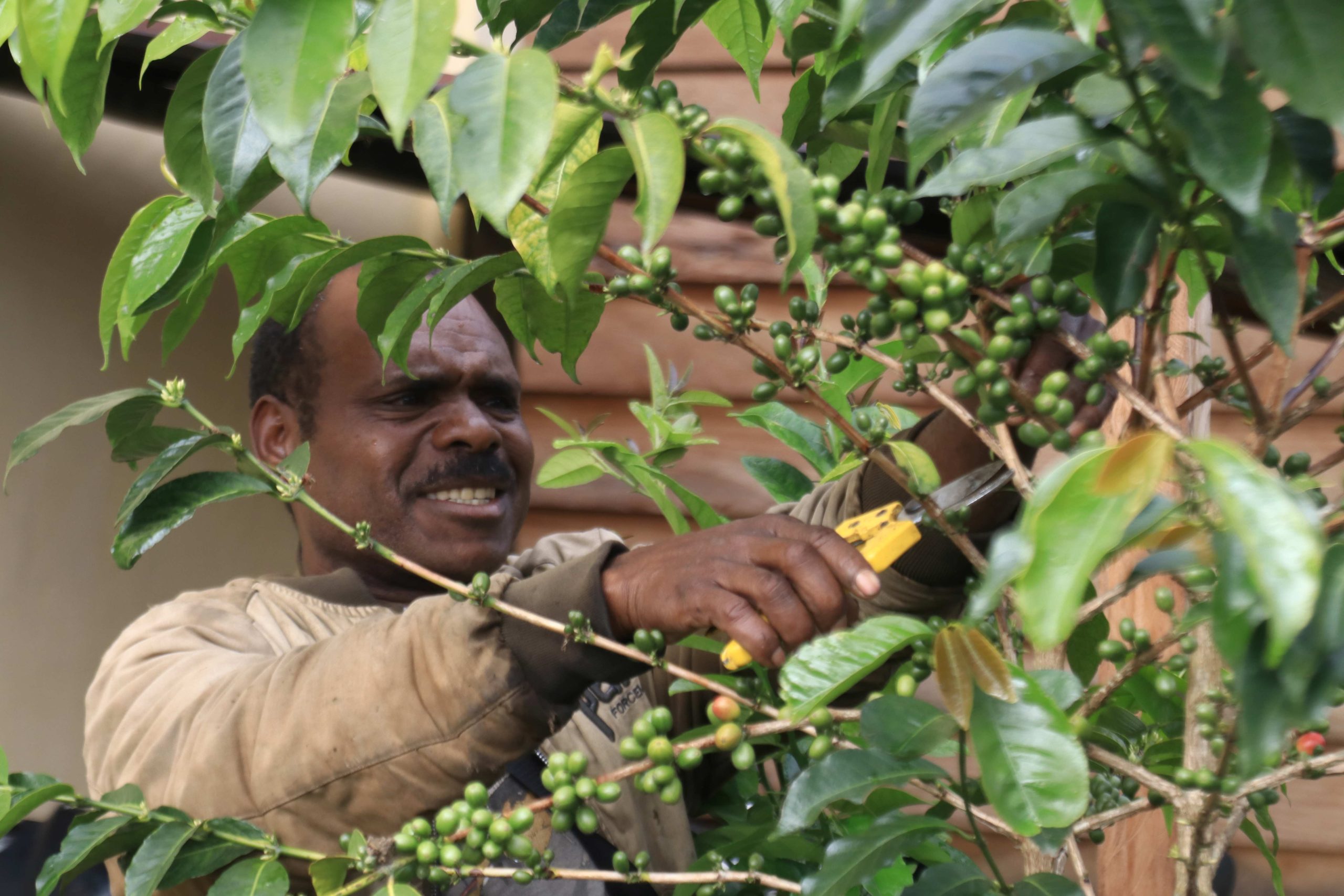
In the Arfak Mountains of West Papua, Indonesia, Arabica coffee is creating a meaningful connection between livelihood development and environmental conservation. Through sustainable farming and improved processing practices, indigenous communities are discovering the value of a crop that has long been part of their gardens but was once largely overlooked.
The experience also reflects a shared opportunity across Southeast Asia, including the Philippines, where diverse landscapes and established coffee-growing traditions support distinctive varieties. In the northern Philippine highlands, for example, indigenous Igorot farmers cultivate heirloom Arabica varieties such as Typica, Bourbon, San Ramon, and Mondo Novo alongside pine trees and shade crops.
As interest in specialty coffee grows, these communities demonstrate how responsible cultivation can support local economies while helping preserve the natural environments that make coffee farming possible.
Growing Coffee While Protecting the Forest
In the Arfak Mountains, located approximately 1,800 to 2,000 meters above sea level, cool temperatures and fertile soil provide favorable conditions for Arabica coffee. For many years, coffee plants grew in home gardens alongside vegetables and fruit trees, but farmers rarely viewed them as an important source of income.
Before 2018, some households maintained only one or two coffee trees. Others did not recognize their economic potential, and some plants were even cut down to make garden tools or Christmas decorations.
Barto Inden, 28, a local youth with an agricultural background who works at the Arfak Mountains Regency Agriculture Office and owns Kopi Anggi, witnessed the change in how communities viewed coffee.
“Before 2018, coffee was only one or two trees per farmer. Some planted it but did not know what to develop it into. Some were even cut down because they were considered to have no value,” Inden shared.
The need for more sustainable farming practices became increasingly important as land clearing, heavy rainfall, and illegal gold mining upstream contributed to environmental concerns, including landslides and threats to water sources. Several major landslides have affected community gardens.
Coffee cultivation gradually became part of a wider effort to protect the landscape. By planting coffee alongside other crops and avoiding land burning, farmers help maintain vegetation, support soil stability, and protect important water catchment areas.
Learning Sustainable Farming Through Community Partnership
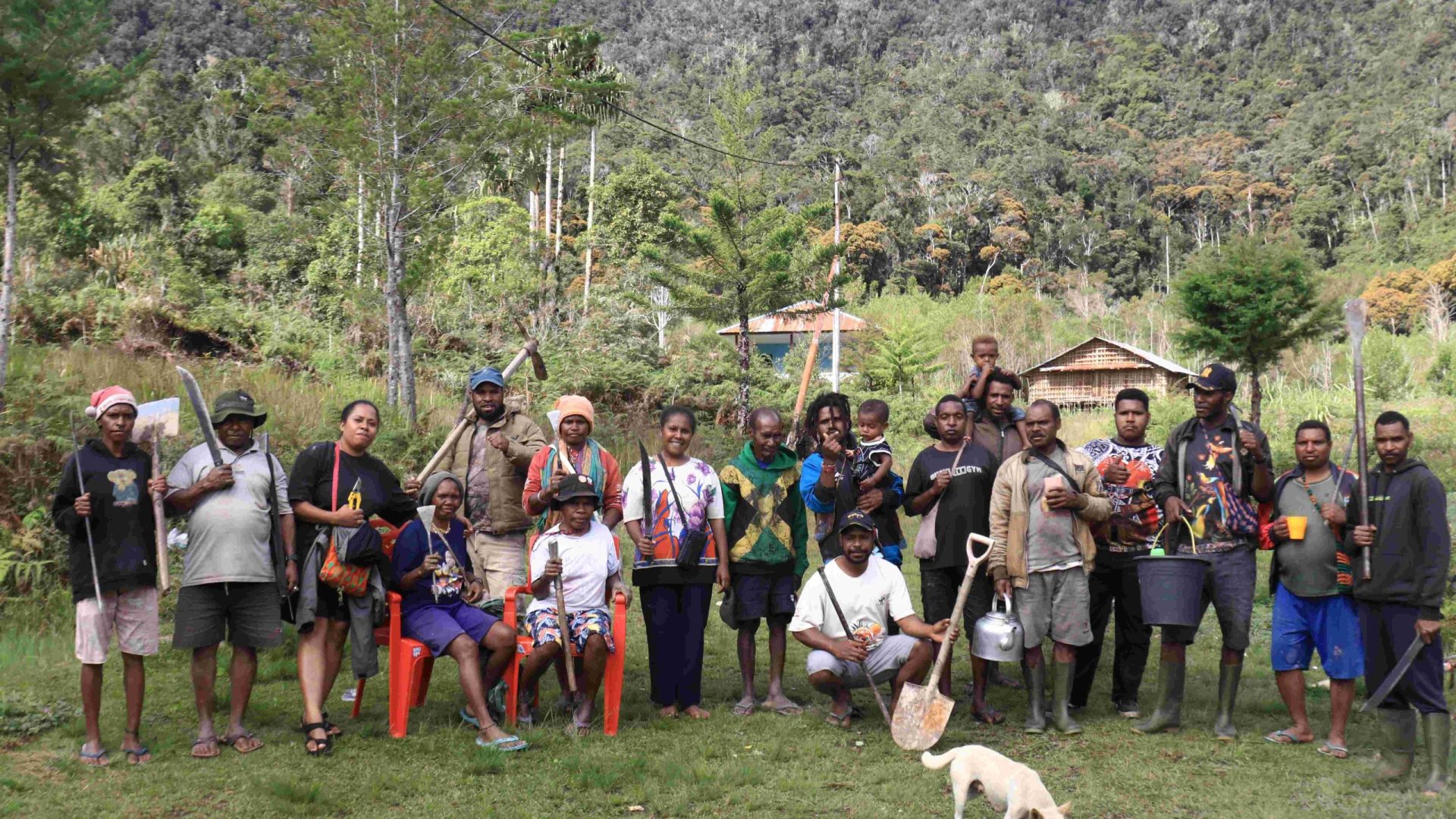
The transformation gained momentum in 2019 with the involvement of Bentara Papua, which provided long-term technical assistance to help farmers improve coffee cultivation and processing.
Rather than introducing a ready-made system, the organization worked with communities to develop practices suited to local conditions and traditions.
“We did not bring a finished system. We learned together with the community from their own gardens, and from there we assessed the potential of this coffee in accordance with the community culture,” said Demius Aud, Coordinator of the Udohotma Station of Bentara Papua.
A major part of the initiative is the establishment of the Merdesa Village School (SEKAM), which trains young people in natural resource management. The Udohotma Station also serves as a learning, production, and harvest consolidation center.
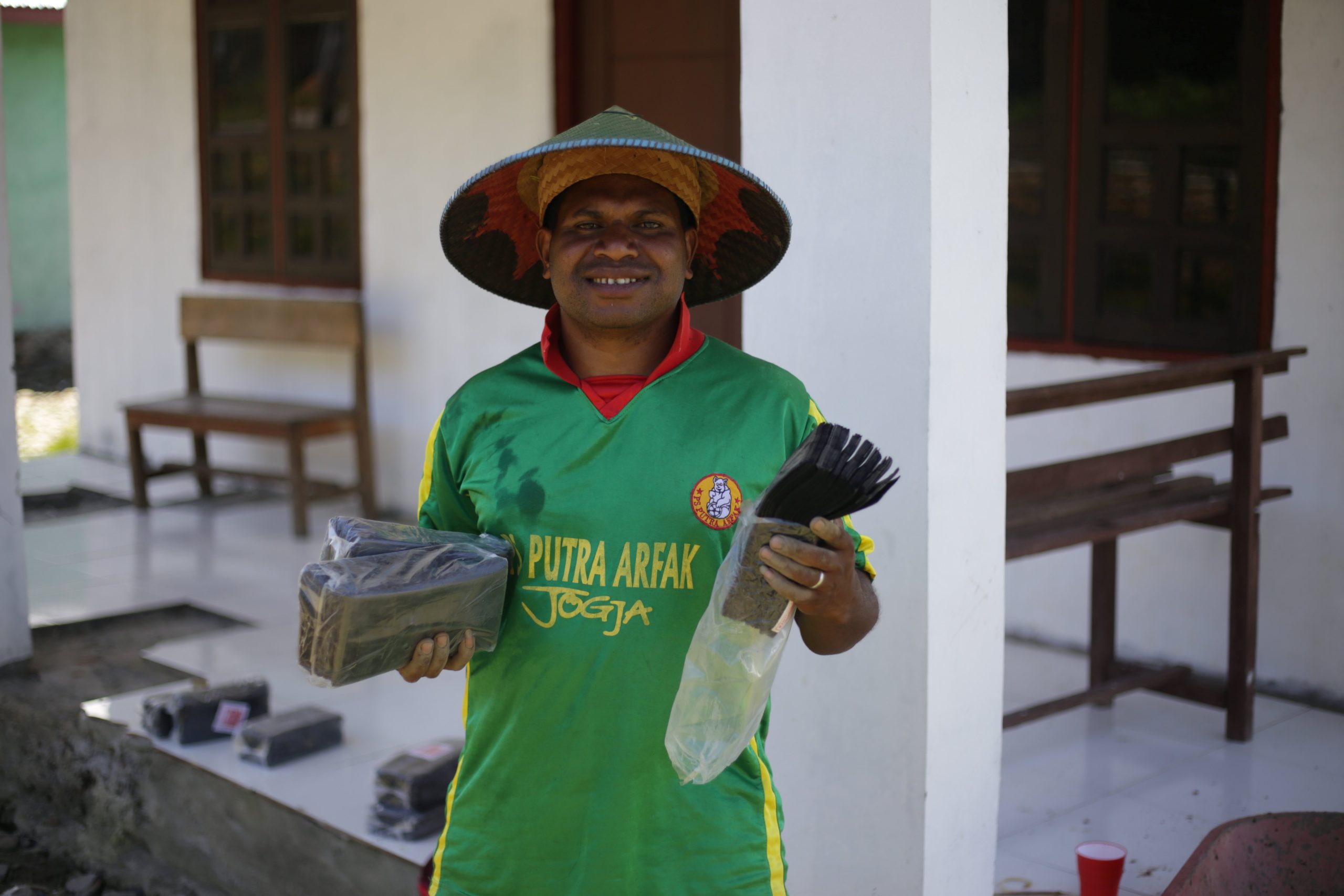
Farmers receive guidance on establishing their own nurseries using locally sourced seeds and compost. This helps reduce dependence on seedlings brought from outside the region, which may struggle to adapt to differences in temperature and growing conditions.
Training also covers proper planting distances, pruning, and organic pest management. Instead of relying on synthetic fertilizers, farmers prepare organic inputs from pig manure, decayed leaves, and kitchen waste. Natural pest-control solutions are made using garlic and locally available leaves.
Post-harvest processing has also improved through standardized procedures, including fruit sorting, flotation, 36-hour fermentation, washing, and drying. Solar dryers help farmers achieve more consistent moisture levels of around 13 percent.
In 2024, students from the University of Papua (UNIPA) contributed research on soil conditions and coffee pests, helping communities develop more informed organic pest-management strategies.
Better Coffee, More Opportunities for Farmers
Today, Arfak coffee production involves 37 farmer groups across seven districts, with approximately 35 hectares planted in home gardens.
One important development is the direct purchasing arrangement, which allows farmers to receive cash payments at production sites without going through intermediaries.
The value of their harvest has also improved. Green bean prices have increased from approximately IDR 80,000 to IDR 100,000 per kilogram, equivalent to around ₱280 to ₱350, while parchment coffee is priced at IDR 80,000 per kilogram.
From 2023 to 2025, annual production was estimated at 6,000 kilograms of beans.
Marketed under the Kopi Anggi brand, Arfak coffee is available as green beans, roasted beans, and ground coffee. It has reached coffee shops in Manokwari, been featured at national exhibitions, and attracted interest from buyers in Poland, Germany, and the Netherlands.
Despite growing market opportunities, supply remains limited as producers continue to prioritize quality standards and proper processing.
A Future Where People and Nature Grow Together
The story of Arfak coffee goes beyond expanding production or reaching new markets. It reflects how local knowledge, community participation, and sustainable agricultural practices can create opportunities while protecting natural resources.
By developing coffee farming without sacrificing forests or compromising water sources, communities are building an approach that allows economic benefits to remain closer to the people who produce the crop.
For Inden, the goal is to make sure the initiative creates lasting value for both the community and the environment.
“My hope is that this is not just about production, but about the future of the people and nature of the Arfak Mountains,” he said.
As consumers become more interested in where their coffee comes from, stories like Arfak’s offer a reminder that a good cup of coffee can represent much more than flavor. It can also reflect the dedication of farmers, the strength of local communities, and a shared commitment to protecting the environment for generations to come.