





3rd General Members Meeting brings regulators, business leaders and sustainability advocates together to address packaging, waste management and responsible industry practices
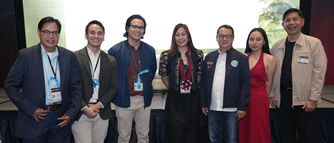
The Chamber of Cosmetics Industry of the Philippines (CCIP) convened industry stakeholders at its 3rd General Members Meeting at the SMX Convention Center, bringing together cosmetics companies, government regulators, sustainability advocates and industry partners to discuss strategies for responsible and sustainable growth.
Held under the theme “Beauty for Tomorrow: Innovation, Responsibility and Growth,” the gathering focused on sustainability issues increasingly shaping the cosmetics sector, particularly packaging, waste management and compliance with environmental and chemical regulations.
The meeting provided an industry platform for stakeholders to exchange insights on regulatory developments while exploring practical approaches to integrating sustainability into business operations.
Addressing Packaging and Waste Management
Packaging was among the key topics discussed during the meeting, particularly in relation to the country’s Extended Producer Responsibility (EPR) framework.
Dr. Joseph Jocson, Commissioner of the National Solid Waste Commission, presented on EPR-conscious packaging, offering industry members guidance on how packaging practices can align with national requirements and broader sustainability objectives.
The discussion highlighted the growing need for cosmetics companies to consider environmental responsibility throughout the product lifecycle, from packaging design and material selection to recovery and disposal.
Meanwhile, Miguel Yorro, Vice President for Business Development at Restore Solutions PH, addressed another major industry challenge through his presentation, “Closing the Circularity Loop.”
The session examined issues surrounding waste collection and disposal and discussed the importance of developing systems that can help move materials back into productive use rather than ending up as waste.
Strengthening Industry-Regulator Engagement
The meeting also featured participation from the Department of Environment and Natural Resources – Environmental Management Bureau (DENR-EMB), giving cosmetics industry members an opportunity to engage directly with regulators on issues involving chemical regulations, chemical use, and the importation of chemicals and raw materials.
The dialogue underscored the importance of collaboration between businesses and government as the cosmetics sector navigates evolving regulatory requirements while continuing to innovate and grow.
For an industry that relies on a wide range of ingredients, packaging materials and supply-chain partners, regulatory alignment remains an important component of responsible business operations.
Turning Sustainability Into Action
The discussions reflected a broader shift in the cosmetics industry toward balancing commercial growth with environmental responsibility.
In his closing remarks, Anjo Tee emphasized that achieving meaningful progress requires cooperation across the entire value chain.
“Sustainability is a shared responsibility. Real progress happens when regulators, manufacturers, brands, suppliers, and consumers work together. I hope we leave today not only with new ideas, but with a renewed commitment to turn those ideas into action,” Tee said.
The CCIP gathering highlighted the industry’s opportunity to work collectively on sustainability challenges while strengthening engagement among businesses, regulators and other stakeholders.
As the cosmetics sector continues to evolve, initiatives such as the General Members Meeting provide a platform for industry players to align on emerging priorities and explore solutions that support innovation, regulatory responsibility and sustainable long-term growth.