






For Joshua “Joshi” Li, Filipino heritage is not something meant to stay in the past. It is a source of ideas waiting to be reimagined.
There are some stories that are passed down through words. Others live in the things people make with their hands.
For Filipino industrial designer Joshua “Joshi” Li, those stories can be found in craft, clothing, objects, materials, and the ideas behind them. Rather than simply recreating what has already been done, he asks a different question: What happens when something inherited from the past is given a new life?
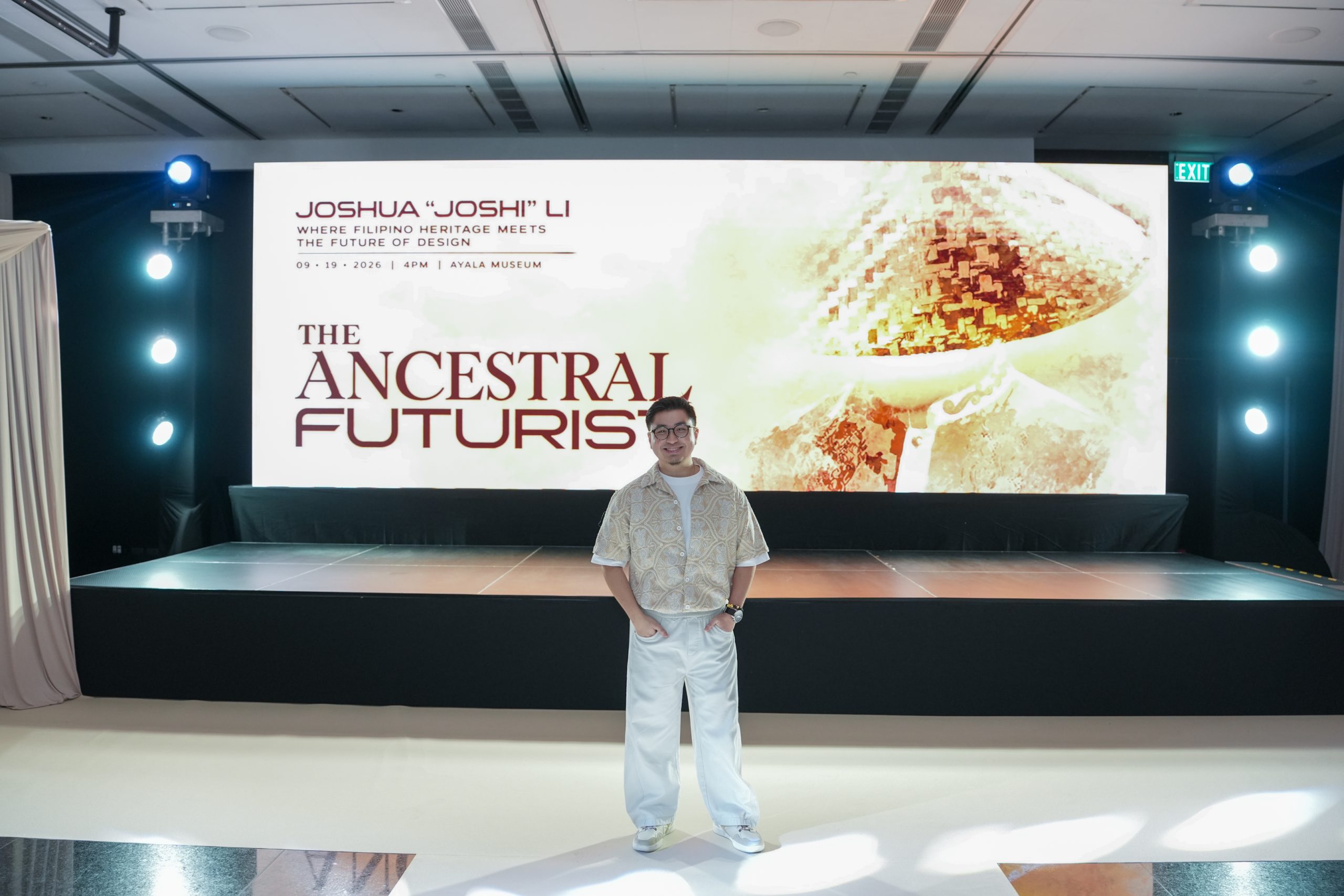
This question has become central to Joshi’s work and to the creative identity he calls the “Ancestral Futurist.”
For him, being an ancestral futurist means looking closely at where we came from while remaining open to where those ideas can lead us. It is about understanding heritage not as something frozen in time, but as something that can continue to grow through each generation.
A designer shaped by two worlds
Joshi’s journey has taken him from the world of Filipino cultural traditions to the highly technological environment of contemporary industrial design.
A Summa Cum Laude graduate of the Savannah College of Art and Design (SCAD), he was part of the team behind Aether 912, an award-winning concept vehicle recognized by the Red Dot Design Award.
His work has also earned recognition from international programs including The Rookies and the International Design Awards (IDA).
His experience extends to collaborations with Kohler Co., where he contributed to products that have since been patented by the companies.
Yet behind the technology, awards, and professional accomplishments is a designer deeply interested in something much closer to home: understanding Filipino craft and the cultural thinking behind it.
That interest gradually became more than an influence. It became part of how Joshi sees design itself.
When design becomes a language
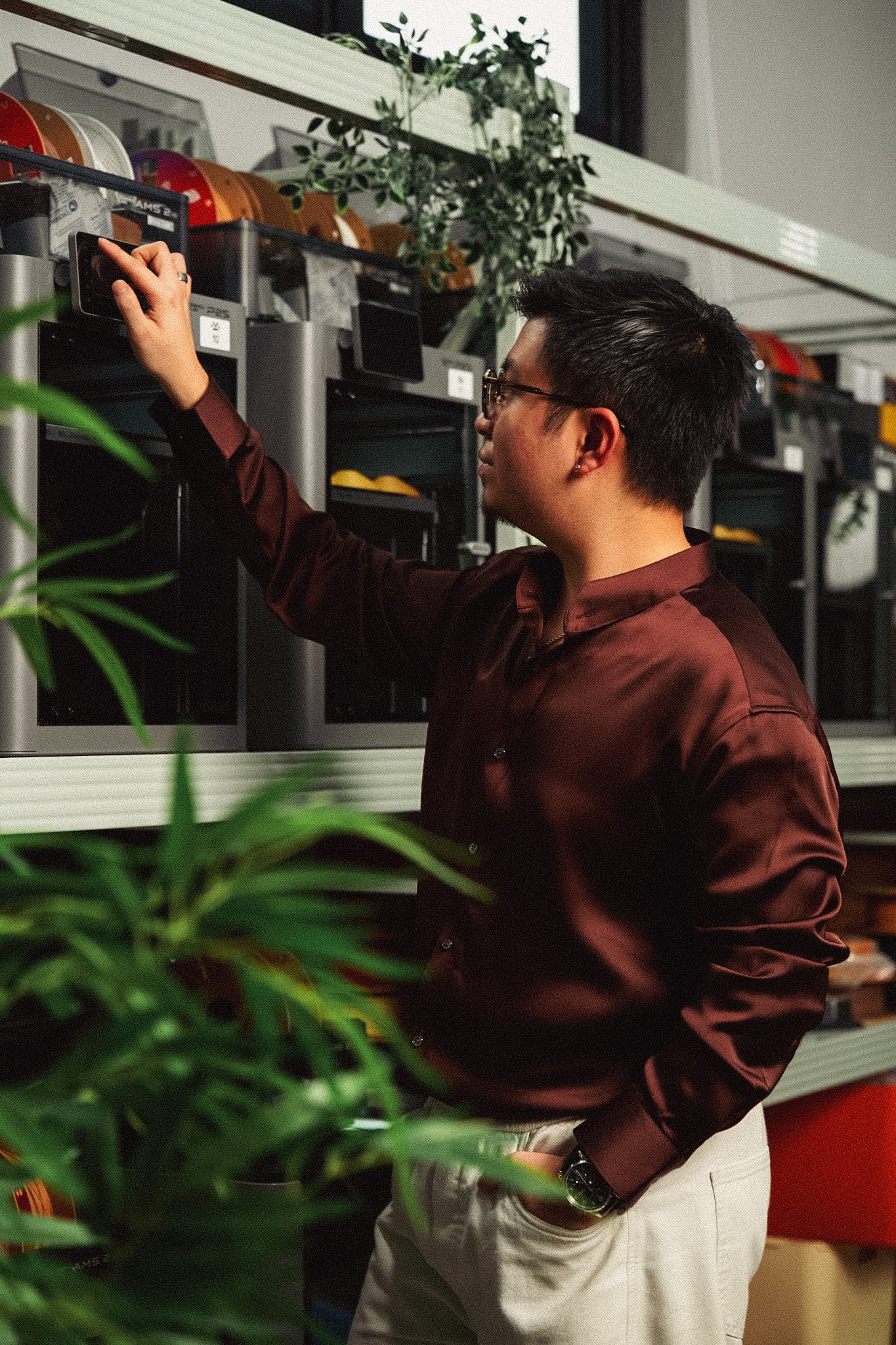
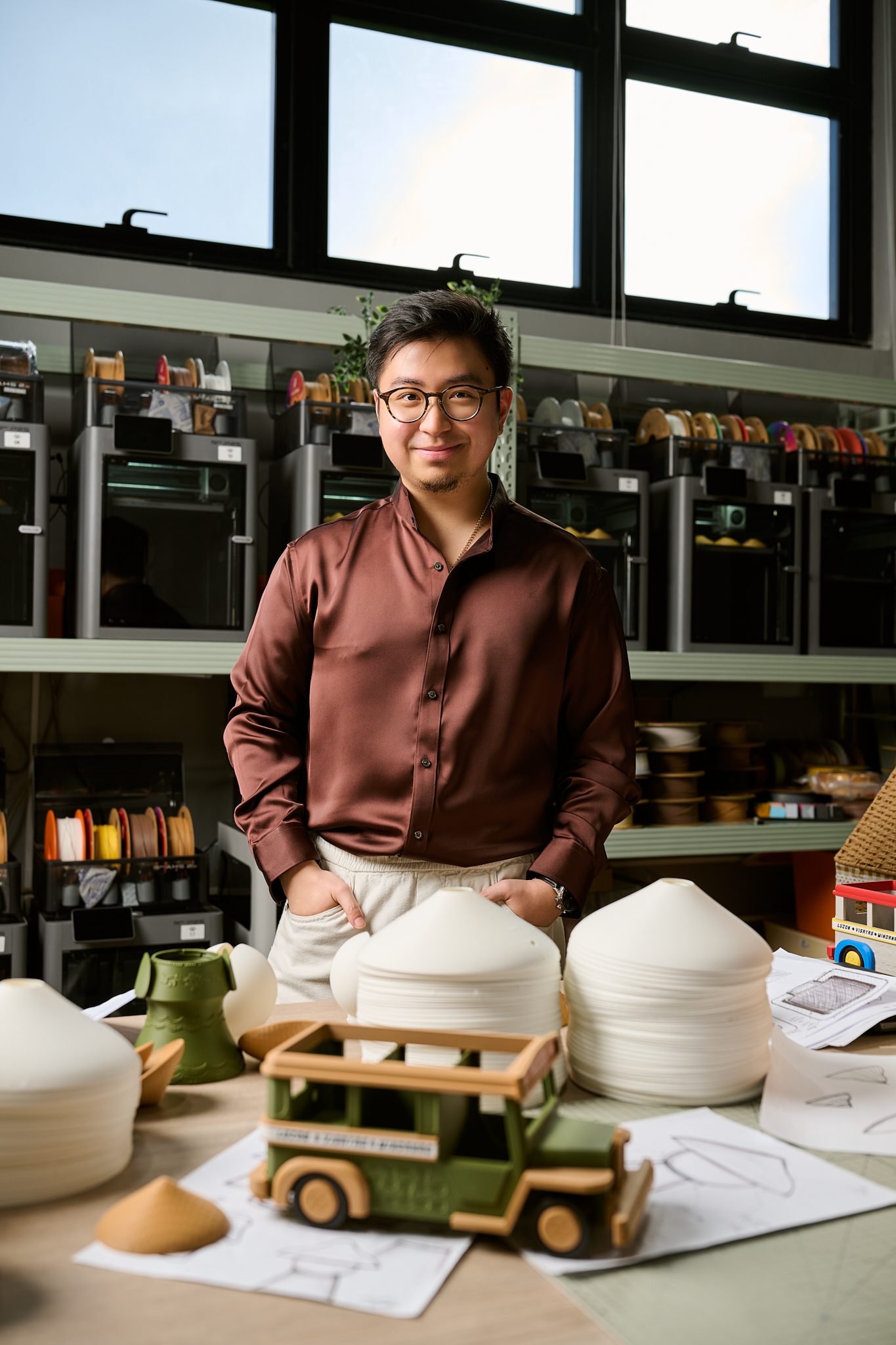
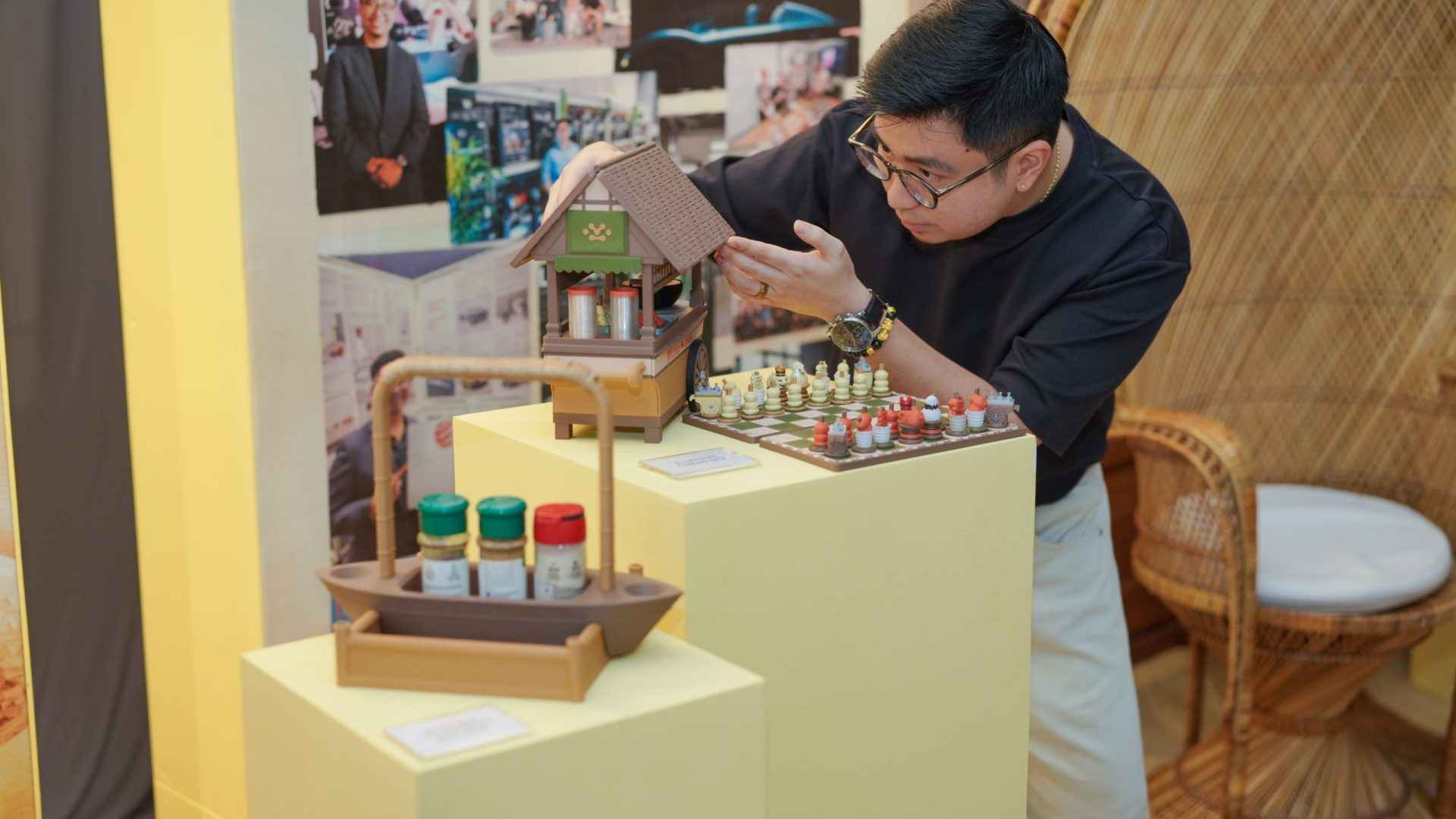
Through Moodi Design, the studio he founded, Joshi explores digital fabrication and contemporary manufacturing as tools for telling stories.
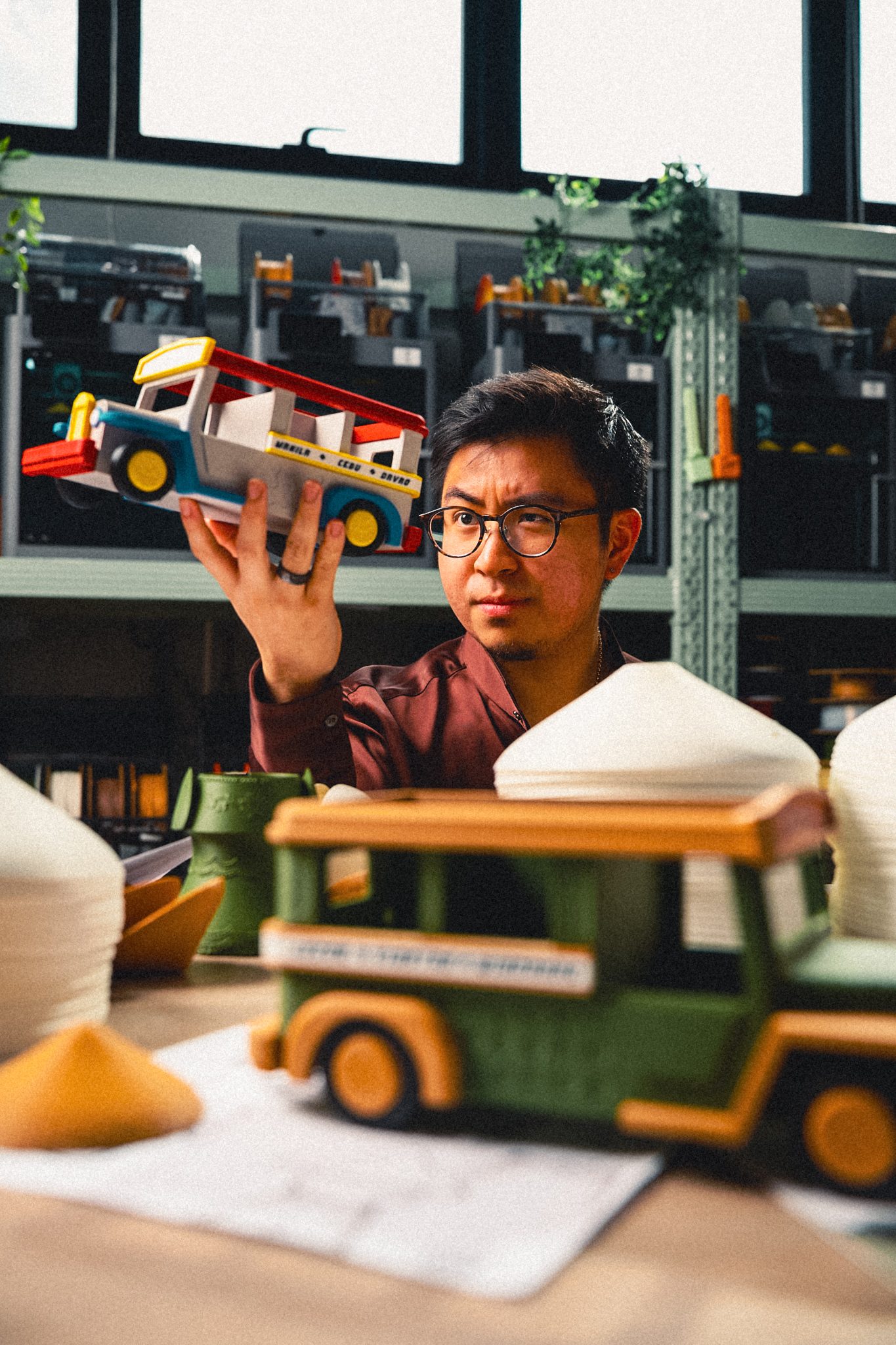
An object, in his hands, can communicate more than its purpose or appearance. It can carry an idea, evoke a memory, or introduce a cultural story to someone who may not have encountered it before.
Instead of simply copying traditional Filipino shapes, Joshi looks beneath the surface.
He studies the logic, systems, processes, and cultural meanings found in Filipino craft traditions, then considers how these can be expressed using the tools and technologies available today.
It is a process that allows the past and present to meet without either one having to disappear.


The story behind Pamana
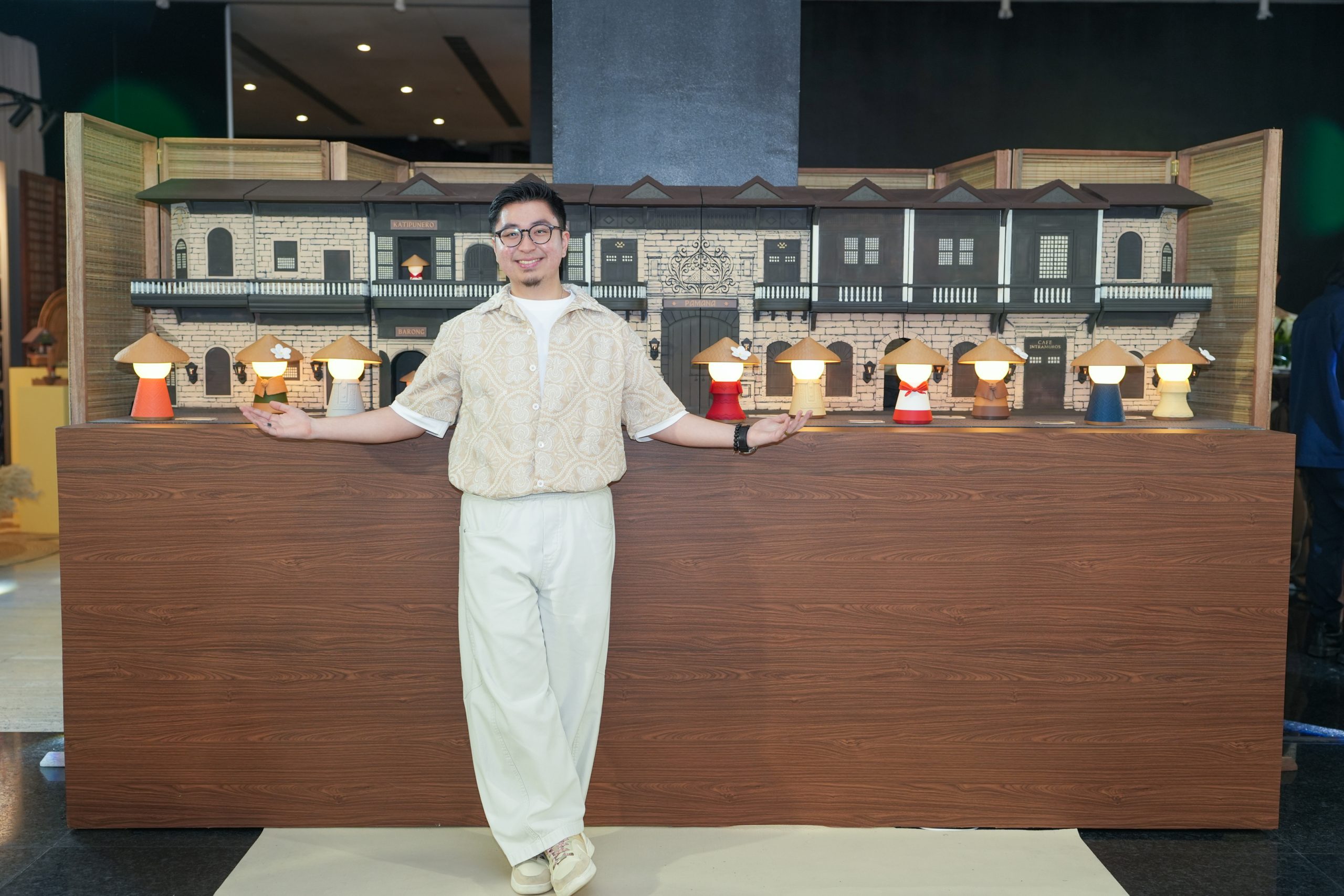
Perhaps one of the clearest expressions of this philosophy is Joshi’s newest work, the Pamana Collection Tanglaw.
The collection features five digitally fabricated, 3D-printed lighting pieces, each crowned with a woven salakot.
At the heart of the collection is something familiar in many Filipino homes: light.
But instead of treating the lamp simply as a functional object, Joshi uses it as a way to explore Filipino identity.
Details inspired by the Barong, Filipiniana, and other traditional pieces of clothing are incorporated into the designs. Familiar cultural references are transformed into contemporary objects that speak about the people, stories, and history behind them.
The name Pamana itself evokes the idea of inheritance — something received from those who came before and, eventually, passed on to those who come after.
For Joshi, that inheritance does not have to remain exactly as it was given.
It can be interpreted. It can evolve. It can become something new while still remembering where it came from.
More than preserving memories
Joshi’s story also reflects a larger conversation about what it means to keep culture alive.
Preservation is important, but traditions have always survived partly because people continue to use, reinterpret, and build upon them.
For Joshi, technology becomes part of that continuing story.
Digital fabrication may be a modern tool, but the ideas inspiring his work can come from traditions that have existed for generations. The contrast is what makes the work meaningful: contemporary technology helping carry older cultural knowledge forward.
His approach is not simply about looking back with nostalgia.
It is about looking back with curiosity.
A legacy still being written
Joshi’s work offers a different way of thinking about cultural inheritance.
What we receive from previous generations does not necessarily have to be the final version of the story. Sometimes, it is simply the beginning of another chapter.
Through his work, Joshi is finding ways to give familiar Filipino ideas new forms — creating objects that belong to the present while remaining connected to something much older.
His first-ever collaboration with Ayala Museum, launching on September 19, marks another step in that journey.
And perhaps that is what makes the idea of the Ancestral Futurist so personal.
Joshi is not choosing between the past and the future.
He is carrying one into the other — one idea, one object, and one story at a time.